Beyond Technical Skill: Perspectives on the Role of Reflective Practice in Fostering Teacher Vocation
Beyond Technical Skill: Perspectives on the Role of Reflective Practice in Fostering Teacher Vocation
Beyond Technical Skill: Perspectives on the Role of Reflective Practice in Fostering Teacher Vocation
Erwin
Joey Cabilan1
 ,
Neal Nikko Espejo2
,
Genalyn Soledad-Sanvictores3
1Department of Catholic Education Philosophy and Practice, Ateneo de Manila University, Philippines; Don Bosco School of Theology, Philippines, 2Department of Leadership and Educational Management, Ateneo de Manila University, Philippines; Modern Languages Department, University of Santo Tomas, Philippines, 3Department of Catholic Education Philosophy and Practice, Ateneo de Manila University, Philippines
How to cite: Cabilan, E.J.; Espejo, N.N.; Soledad-Sanvictores, G. (2026). Beyond Technical Skill: Perspectives on the Role of Reflective Practice in Fostering Teacher Vocation. In: 12th International Conference on Higher Education Advances (HEAd’26). Valencia, 15-18 June 2026. https://doi.org/10.4995/HEAd26.2026.21338
Abstract
Reflective practice is a key element of teacher education and professional growth. Since the 1980s, research has largely focused on improving technical skills, with less attention to its role in fostering a sense of vocation, particularly for novice teachers shaping their professional identity. This study synthesizes recent research to explore how reflective practice supports vocational commitment among early-career teachers. Using Donald Schön’s (1983) reflective practitioner framework, it proposes an expanded four-dimensional model: Reflection-in-Action (RiA), Reflection-on-Action (RoA), Reflection in-Community (RiC), and Reflection-for-Action (RfA). Findings reveal these reflective processes help novice teachers navigate challenges, engage with professional communities, and foster purposeful growth. This framework repositions reflection as a tool not only for pedagogical improvement but also for cultivating resilience, purpose, and long-term commitment, offering valuable insights for teacher education programs.
Keywords: Reflective Practice, Teacher Vocation, Vocational Commitment, Novice Teachers, Teacher Professional Development, Schon's Reflective Framework.
1. Introduction
Over the past four decades, reflective practice has emerged as a cornerstone of teacher education and professional development. Reflective practice, as conceptualized by Donald Schön (1983), emphasizes the importance of teachers engaging in critical self-reflection to improve their technical and pedagogical skills. This approach has been widely adopted in teacher education programs around the world to enhance instructional effectiveness and foster professional growth (Howard, 2021; Muhonen, Pakarinen, & Lerkkanen, 2021). However, while most studies on reflective practice focus on its role in developing technical competencies, there is a growing recognition of its potential to foster teacher identity and a deeper sense of vocation among teachers (Walkington, 2005). This is particularly relevant for novice teachers, who often grapple with the challenges of transitioning into the profession (Cutroni & Paladino, 2023; Muhonen, Pakarinen, & Lerkkanen, 2022). Research suggests that reflective practice can serve as a transformative process, enabling teachers to connect their professional experiences with their personal values and sense of purpose (Sun, Zhou, Liu, & Li, 2024). Schön’s reflective practitioner framework offers a valuable lens for exploring the transformative dimension of reflective practice. By encouraging teachers to engage in both Reflection-in-Action and Reflection-on-Action, this framework provides a potential avenue for integrating technical expertise with a deeper understanding of one’s vocation or purpose in teaching (Courtney, Austin, & Zolfaghari, 2023). This review seeks to bridge the gap in existing literature not only enhances teaching skills but also contributes to the formation of a teacher’s professional identity and sense of vocation.
2. Methods
This study adhered to the 2020 PRISMA guidelines for systematic review and meta-analyses to address the research question: How does reflective practice foster vocational commitment among novice teachers?
2.1 Search Strategy
To ensure credibility and transparency. Online databases, including Science Direct (Scopus indexed journals like Elsevier, Springer, Sage, and Taylor & Francis), Semantic Scholar, and EBSCO, were accessed via the researchers’ university platform. Cabell's Scholarly Analytics was used to exclude predatory journals. Sources were limited to reputable English-language publications from 2020 to 2025 in Education, Social Sciences, and Psychology. Additional filters ensured downloadable full texts. The search, conducted in October 2025, used the terms: “reflective practice identity vocational commitment among novice teachers”.
2.2 Inclusion and Exclusion Criteria
The review focused on studies involving novice teachers engaging in reflective practices to enhance professional growth and vocational commitment. It included teachers from various educational levels and countries but excluded tenured teachers and those teaching before the pandemic. Studies lacking sufficient data or unrelated to the research question were omitted. From an initial pool of 200 articles, 21 met the final criteria.
2.3 Conceptual Dimension
This study builds on Schön’s Reflective Practitioner Framework, integrating concepts of teacher identity formation, vocational commitment, and transformative learning to explore how reflective practice empowers novice educators to meet the demands of 21st-century teaching. Schön’s (1983) framework highlights two key components: Reflection-in-Action (real-time reflection during practice) and Reflection-on-Action (post-event analysis for deeper understanding and growth) (Hatton & Smith, 1995). Teacher identity formation, shaped by experiences, values, and interactions, is another critical focus. Reflective practice helps novice teachers navigate challenges, align their practices with their purpose, and develop a coherent professional identity (Walkington, 2005; Graham & Phelps, 2003). Vocational commitment, defined as dedication to one’s career and rooted in intrinsic motivation (Weis & Hubbard, 1973), is also central. Reflective practice fosters this commitment by connecting teachers’ roles with their values and goals (Sun et al., 2024). Together, these theories underscore the transformative potential of reflection in shaping resilient, purpose driven educators.
3. Results and Discussion
3.1 Characteristics of Included Studies
Several studies highlight how reflective practices support novice teachers in overcoming challenges, aligning teaching with personal values, and fostering a sense of agency. The research collectively emphasizes the transformative power of reflection across diverse domains, including Physical Education, Math, English as a Foreign Language, and Special Education. Geographically, the research spans countries such as the USA, China, Turkey, and Indonesia, illustrating how cultural and regional factors shape teacher identity and professional growth. This diversity in research design, sample sizes, and regional focus enriches the understanding of reflective practice, demonstrating its global relevance and adaptability to various educational systems and teacher needs.
3.2 Common Themes Across Studies
Across the studies, several common themes emerge, highlighting the transformative potential of reflective practice. First, reflection is a powerful tool for identity formation, as seen in Anwar et al. (2025), Berbegal Vázquez et al. (2024), and Nichols et al. (2017), where reflective practices helped novice teachers construct and negotiate their professional identities. Second, collaborative reflection fosters solidarity and growth, as demonstrated by Spott (2021) and Tutunis and Hacifazlioglu (2018), who emphasized the importance of peer relationships and trust in combating isolation. Third, reflection serves as a mechanism for vocational commitment by enhancing self-efficacy, aligning beliefs with practices, and fostering resilience, as seen in Göker (2020), Li and Shen (2024), and Stewart and Jansky (2022). These themes underscore the critical role of reflective practice in fostering vocational commitment, professional identity, and sustained growth among novice teachers.
3.3. Influence on Vocational Commitment
Reflective practice plays a critical role in fostering vocational commitment by enhancing teachers’ self-efficacy, aligning their beliefs with their practices, and fostering resilience. Situated reflection helps teachers engage with real teaching contexts, anchoring their moral purpose and sense of belonging. Constructive reflection supports the internalization of vocation and belief alignment, as seen in Nichols et al. (2017), where reflection on emotional conflicts helped teachers align their beliefs with sustainable professional purposes.
Table 2. Key findings from the research articles
Schon's Reflective Practice Framework |
Reflective Process |
Influence on Vocational Commitment |
Situated (context dependent learning, RiA) |
Engaging with real teaching contexts (Anwar et al., 2025; Stewart & Jansky 2022) |
Meaning-making and moral anchoring (Göker 2020; Spott, 2021) |
Constructive (problem framing and re framing, RoA) |
Connecting theory and practice, framing and re-framing experiences to form identity and purpose (Berbegal Vázquez et al. 2024; Tutunis & Hacifazlioglu 2018) |
Internalization of vocation and belief alignment (Nichols et al. 2017; Li & Shen, 2024) |
Dialogical (dialogue with the community, RiC) |
Engaging with peers and the situation (Spott, 2021; Erbay Çetinkaya, 2025) |
Belonging, solidarity, shared vocation (Anwar et al., 2025; Stewart & Jansky 2022) |
Transformative (professional growth and transformation, RfA) |
Deep, ongoing self and professional growth and renewal (what kind of teacher you wish to become, the “why" of teaching) (Li & Shen, 2024; Göker, 2020) |
Agency, efficacy, sustained moral commitment (Nichols et al., 2017; Spott, 2021; Tutunis & Hacifazlioglu, 2018) |
Dialogical reflection enables teachers to co-construct meaning with peers by articulating their experiences, testing their interpretations, and situating their personal journeys within a broader community. This shared meaning- making reinforces the sense that teaching is not a solitary endeavor but a collective mission. Transformative reflection fosters agency and sustained commitment, as demonstrated by Li and Shen (2024), who showed how structured reflective tools helped teachers engage in continuous professional development and envision their future roles. Together, these reflective processes contribute to the development of resilient, committed educators who are equipped to meet the demands of the teaching profession.
3.4 Expanding the Reflective Practice Framework
Grounded in Schön’s (1983) view of professional practice as dynamic and situational, this framework underscores how teachers make sense of their lived experiences, adapt to uncertainty, and grow in identity and purpose. This study presents an expanded fourfold typology of reflection. Schön’s original categories—Reflection-in-Action (RiA) and Reflection-on-Action (RoA)—capture the practitioner’s capacity to think critically in the immediacy of classroom situations and to later reconstruct and reinterpret those experiences to guide future practice. Extending these concepts, Reflection-in-Community (RiC) emphasizes that reflection is not only a solitary cognitive act, but a dialogical engagement shaped by the voices, perspectives, and shared narratives within a professional community. Reflection-for Action (RfA) highlights the anticipatory and transformative dimension of reflective work, enabling teachers to translate insights into intentional future decisions, renewed purpose, and deeper vocational commitment.
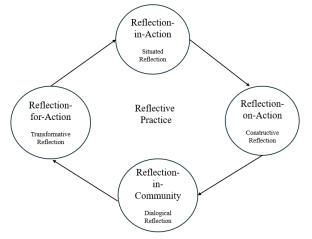
Figure 1. Vocational Commitment for Novice Teachers
Integrating RiC and RfA into Schön’s framework strengthens the relationship between RiA and RoA by situating reflection within collaborative and forward-looking contexts. RiC fosters collective meaning-making and critical dialogue, allowing practitioners to interrogate assumptions and refine what Schön (1983, 1992) describes as the “artistry” of professional judgment. Such communal engagement deepens post-action analysis and expands teachers’ interpretive horizons (Farrell, 2015). RfA, meanwhile, ensures that insights drawn from past experience inform future action with intentionality, ethical sensitivity, and strategic foresight (Loughran, 2002). Together, these forms of reflection render the reflective process more holistic, relational, and future-oriented. Viewed as an integrated cycle—RiA, RoA, RiC, and RfA—these processes offer novice teachers a structured yet human-centered pathway for continuous professional growth. By responding to immediate classroom demands, analyzing experiences retrospectively, engaging in communal discourse, and planning for purposeful improvement, teachers can refine their practice, align their beliefs with their emerging professional identities, and sustain long-term commitment to the vocation of teaching.
4. Conclusion
This review highlights the formative and multidimensional role of reflective practice in shaping the vocational commitment of novice teachers. Building on Schön’s framework of Reflection-in-Action (RiA) and Reflection-on-Action (RoA), it introduces two additional dimensions: Reflection-in-Community (RiC) and Reflection-for-Action (RfA). RiC expands Schön’s concept of a “conversation with the situation” to include collaborative engagement with peers and professional communities, fostering belonging, solidarity, and shared moral commitment through shared inquiry and meaning making. RfA emphasizes transformative reflection, guiding teachers toward self-renewal, clarity of purpose, and sustained vocational growth. Together, these four reflective processes – RiA, RoA, RiC, and RfA – demonstrate that reflective practice is not just a pedagogical tool but a pathway for developing purpose-driven, resilient, and highly committed educators. Teacher education programs can use these insights to design experiences that integrate reflection at both individual and community levels, supporting holistic teacher development and fostering both personal and shared vocation. For school leaders, the challenge lies in creating a culture where reflection is a defining feature of the community rather than an optional activity. By championing mentoring, fostering honest dialogue, and promoting shared inquiries, leaders can help novice teachers navigate the complexities of the profession. This approach empowers teachers to see themselves as part of a greater mission, enabling them to embrace not only their professional skills but also their sense of purpose and calling.
References
Anwar, M. H., Jatmika, H. M., & Setiawan, C. (2025). “Don’t forget the whistle”: Novice physical education teachers’ reflections on their beliefs, teaching practices, and identities. Education Sciences, 15(1), 88. https://doi.org/10.3390/educsci15010088
Berbegal Vázquez, A., Daza Pérez, L., Carapeto Pacheco, L., & Rivas Flores, I. (2024). Becoming a secondary school teacher: Keys to a meaningful professional identity. Teaching and Teacher Education, 148, Article 104736. https://doi.org/10.1016/j.tate.2024.104697
Courtney, S. A., Austin, C. K., & Zolfaghari, M. (2023). International perspectives on teacher induction: A systematic review. Teaching and Teacher Education, 125, 104047. https://doi.org/10.1016/j.tate.2023.104047
Cutroni, L., & Paladino, A. (2023). Peer-ing in: A systematic review and framework of peer review of teaching in higher education. Teaching and Teacher Education, 125, 104302. https://doi.org/10.1016/j.tate.2023.104302
Erbay-Çetinkaya, Ş. (2025). A triadic support framework for reflective teacher identity: Peer, AI, and faculty collaboration within a community of practice. Teaching and Teacher Education, 168, 105239. https://doi.org/10.1016/j.tate.2025.105239
Farrell, T. S. C. (2015). Promoting teacher reflection in second language education: A framework for TESOL professionals. Routledge. https://doi.org/10.4324/9781315775401
Göker, S. D. (2020). Cognitive coaching: A powerful supervisory tool to increase teacher sense of efficacy and shape teacher identity. Teacher Development, 24(2), 157–172. https://doi.org/10.1080/13664530.2020.1737847
Graham, A., & Phelps, R. (2003). 'Being a Teacher' : Developing Teacher Identity and Enhancing Practice Through Metacognitive and Reflective Learning Processes. Australian Journal of Teacher Education, 27(2). https://doi.org/10.14221/ajte.2002v27n2.2
Hatton, N., & Smith, D. (1995). Reflection in teacher education: Toward definition and implementation.
Howard, N.-J. (2021). Barriers and drivers in online micro-course professional development: Navigating issues of teacher identity and agency. Teaching and Teacher Education, 105, 103397. https://doi.org/10.1016/j.tate.2021.103397
Li, M., & Shen, Z. (2024). Positive impacts of the take-home timeline as a reflective practice tool on teacher development: An exploratory study of novice public school teachers in China. Reflective Practice. Advance online publication. https://doi.org/10.1080/14623943.2024.2426280
Loughran, J. (2002). Effective reflective practice: In search of meaning in learning about teaching. Journal of Teacher Education, 53(1), 33–43. https://journals.sagepub.com/doi/10.1177/0022487102053001004
Muhonen, H., Pakarinen, E., & Lerkkanen, M.-K. (2021). Do teachers’ professional vision and teaching experience always go hand in hand? Examining knowledge-based reasoning of Finnish Grade 1 teachers. Teaching and Teacher Education, 106, 103458. https://doi.org/10.1016/j.tate.2021.103458
Muhonen, H., Pakarinen, E., & Lerkkanen, M.-K. (2022). Professional vision of Grade 1 teachers experiencing different levels of work-related stress. Teaching and Teacher Education, 110, 103585. https://doi.org/10.1016/j.tate.2021.103585
Nichols, S. L., Schutz, P. A., Rodgers, K., & Bilica, K. (2017). Early career teachers’ emotion and emerging teacher identities. Teachers and Teaching, 23(4), 406–421. https://doi.org/10.1080/13540602.2016.1211099
Schön, D. A. (1987). Educating the reflective practitioner: Toward a new design for teaching and learning in the professions. Jossey-Bass https://psycnet.apa.org/record/1987-97655-000
Schön, D.A. (1992). The Reflective Practitioner: How Professionals Think in Action (1st ed.). Routledge. https://doi.org/10.4324/9781315237473
Spott, D. E. (2021). Looking for hope: The experience of early career teachers engaged in a collaborative community of reflective practice as a model of induction and professional development (Doctoral dissertation, Virginia Commonwealth University). https://doi.org/10.25772/RS26-CR32
Sun, X., Zhou, J., Liu, L. B., & Li, Q. (2024). Teacher resilience development in rural Chinese schools: Patterns and cultural influences. Teaching and Teacher Education, 147, 104656. https://doi.org/10.1016/j.tate.2024.104656
Teaching and Teacher Education, 11(1), 33–49. https://doi.org/10.1016/0742-051X(94)00012-U
Tutunis, B., & Hacifazlioglu, O. (2018). The impact of reflective practices of English language teachers on the development of a sense of agency. Journal of Education and Training Studies, 6(10), 100–109. https://doi.org/10.11114/jets.v6i10.3409
Walkington, J. (2005). Becoming a teacher: Encouraging development of teacher identity through reflective practice. Asia-Pacific Journal of Teacher Education, 33(1), 53–64. https://doi.org/10.1080/1359866052000341124
Weis, S. F., & Hubbard, C. F. (1973). The Vocational Commitment Index 1. Family and Consumer Sciences Research Journal, 2(2), 105-111. https://doi.org/10.1177/1077727X7300200203