Social Media as Micro-Learning Environments for Slovene as a Non-First Language in Higher Education
Social Media as Micro-Learning Environments
Social Media as Micro-Learning Environments for Slovene as a Non-First Language in Higher Education
Erika
Kum

Faculty of Arts, University of Ljubljana, Slovenia.
How to cite: Kum, E. (2026). Social Media as Micro-Learning Environments for Slovene as a Non-First Language in Higher Education. In: 12th International Conference on Higher Education Advances (HEAd’26). Valencia, 15-18 June 2026. https://doi.org/10.4995/HEAd26.2026.21439
Abstract
The purpose of the study was to examine the role of social networks as a complementary tool in learning Slovene as a non-native language in a higher education context. Using a questionnaire completed by 148 students, I analysed the frequency of use of various platforms, methods of involvement in language activities, and opinions on the impact of these tools on learning. The results show that students use multiple social networks, but Instagram is most often chosen for contact with content in Slovene. Use is predominantly receptive, focused on following profiles with language tips and cultural information, while productive practices remain limited. Students believe that social networks contribute to motivation and vocabulary expansion, but do not replace systematic teaching. The conclusion of the study is that social networks can strengthen informal exposure to language if they are included as a supporting element in combination with targeted learning activities.
Keywords: Social media; language learning; Slovene as a non-first language; higher education; informal learning.
1. Introduction
Over the past decade, social networks have become an increasingly important platform for informal language learning. Accessibility, visual sophistication, interaction options, and overall popularity among people make apps such as Instagram, TikTok, Facebook, YouTube, and similar an integral part of people's everyday lives. These apps are not only a medium through which we stay in touch with other people, but also a platform for marketing, informing people, and informal education. Profiles on such social networks publish content that can also be used for language learning, as they publish language content and thus create micro-learning environments in which users receive short language lessons without formal courses, such as phrases, grammatical explanations, or cultural content.
Barrot (2022) understands social networks as a specific form of computer-assisted language learning. Social networks enable two-way interaction, collaboration between learners, and exposure to authentic language content, thereby activating a socio-dynamic learning process based on collaboration and mutual communication. In his research, Bing (2022) confirmed the assumption that social networks increase learners' motivation, enjoyment, and engagement, while reducing anxiety in language learning. TikTok and Instagram are proving to be effective tools in the field of vocational and academic learning. Ibrahim (2023) presented how TikTok as a tool for learning English provides exposure to authentic language, opportunities for communication, and community involvement through comments. A survey of Malaysian students (Bakar et al., 2024) showed that 45% of students follow language profiles, and through interaction with content creators via comments and messages, they feel included in the language community. Instagram feed-based tasks have been shown to have a positive impact on vocabulary learning in English, as students read new posts and use new words in their daily activities (Lee, 2022). Instagram has also proven to be a good medium for promoting critical thinking.
A major advantage of learning a foreign language through social networks is that the applications are very accessible. All learners need is a smartphone and a profile on a specific social network, where they can find the appropriate profile and follow it, so that the content of the selected or desired profile appears on the first page of the application. A key feature and advantage of these profiles is that they ensure learning continuity. Every time the creator publishes something new, i.e., new learning content, the user receives this content on the first page when they open the application. So, if they follow very active profiles or multiple profiles with language content, they receive stimuli every day, which supports the habit of learning and regular exposure to the language. Depending on the profiles the learner follows, they may also be exposed to very authentic content, as posts often use real language, cultural references, and phrases from everyday use. Writing comments, liking content, and sharing posts creates a sense of community, which increases learner motivation, engagement, and reduces learning stress. In addition, posts are usually aesthetically pleasing and interactive, allowing creators to use videos, captions, quizzes, and challenges to facilitate learning through different learning styles, which deepens learners' understanding and promotes word memorization. However, we must also be aware of the shortcomings that monitoring profiles on social networks with linguistic content can bring. One of the most important is certainly the unreliable expertise of the creators, as content on social networks is not regulated, and learners usually do not check the origin, quality, and expertise of the profile. This can lead to incorrect information and, consequently, incorrectly learned vocabulary or structures. Another problem with social media posts is that they are very short, so linguistic structures are often presented only superficially, which is not sufficient for a deeper understanding of grammar or the pragmatic use of what has been learned/presented. Excessive exposure to screens and social networks is certainly not negligible, as it can lead to addiction. Research points to a link between excessive use of social media (especially those that allow short videos) and reduced concentration. Excessive use of social media can also lead to increased anxiety in learning (Shu 2023).
In today’s higher education, there is a growing need for innovative approaches that support language learning in a globalized academic environment. Student mobility, particularly within programs such as Erasmus+, presents the challenge of integration into the local linguistic and cultural environment. Traditional teaching approaches are often insufficient for a fast and authentic language experience, so attention is turning to digital tools and social networks that enable informal, interactive, and contextual learning for students. Platforms such as Instagram offer opportunities for contact with authentic content, vocabulary building, and intercultural communication, which is particularly important for students who use Slovene as a non-native language. Such approaches not only support language competence but also promote a sense of belonging and inclusion in the academic community, while allowing students to be exposed to the culture and language even before they arrive on exchange.
Despite the growing use of social networks in education, their role in learning Slovene as a non-native language in a higher education context has not yet been thoroughly researched. Understanding how students use social media platforms and what effects this has on their language competence and motivation is crucial for the development of effective teaching strategies. Therefore, this study examines (1) the extent to which Erasmus students use social media to learn Slovene, (2) how they perceive its usefulness in vocabulary development and intercultural communication, and (3) what challenges and opportunities they see in such an approach. The aim is to contribute to the understanding of innovative language teaching methods in higher education and to offer guidelines for their integration into pedagogical practice.
2. Research
For the purposes of the research, I designed a questionnaire that was completed by 148 students who came to Slovenia on an Erasmus+ exchange in the winter semester of the 2025/26 academic year, all of whom were on an exchange in Slovenia for the first time. All the surveyed students also attended a three-week intensive Slovene language course at the Center for Slovene as a Second and Foreign Language in September and completed the survey in November 2025. They are all beginners in Slovene language.
The questions in the survey questionnaire were divided into two groups: frequency and manner of social media use, and opinions on the impact on language learning. In addition to closed questions using a Likert scale, the questionnaire also included open questions to obtain in-depth qualitative insights. The questionnaire was available online and sent to students who attended a Slovene language course for Erasmus+ students in September. The questionnaire was anonymous and voluntary.
2.1. Frequency and manner of social media use
An analysis of the responses of 148 participants showed that everyone (100%) uses social media, all the respondents also answered that they view content in Slovene language. Instagram is the most frequently used platform in the context of informal learning of Slovene as a non-native language. Instagram was cited as the primary tool for accessing content in Slovene by 71.6% of students, while TikTok was chosen by 18.2% and Facebook by 10.1%. This distribution confirms that Instagram functions as the central micro-environment for the reception of authentic language content, while other platforms play a complementary role.
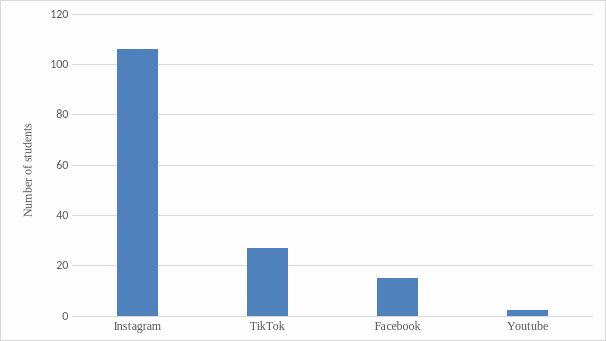
Figure 1 Main platform for accessing content in Slovene
Although most participating students use Instagram for various purposes, such as personal communication, keeping up with friends, and entertainment content, the analysis showed that the platform also represents an important source of informal language input. When asked about using Instagram for learning Slovene, 81% of participants (n = 120) answered affirmatively, with usage being predominantly passive. The most common activity is following profiles and posts in Slovene, as reported by 58.8% of students (n = 87), while interaction with content is limited to basic responses such as likes (42.6%, n = 63) and occasional short comments (14.2%, n = 21). Posting content in Slovene is almost negligible (1.4%, n = 2). This data shows that Instagram primarily functions as a source of authentic language input for this group, enabling contact with vocabulary and cultural references in an informal environment. The use of the platform for language production is minimal, since beginners in the early stages of language learning mostly seek opportunities to understand and accept content, while active language use only occurs at a higher level of competence.
The survey data also show that most students who use Instagram to learn Slovene follow profiles that are specifically designed for language learning. Such profiles were mentioned by 62.8% of participants (n = 93), mainly accounts that post short language tips, vocabulary, and interactive tasks. In addition, 27.7% of students (n = 41) reported that they follow the profiles of public institutions in Ljubljana, such as cultural organizations, museums, and city services, which post news, events, and information about the local environment. A smaller proportion (9.5%, n = 14) follow influencers or media profiles that publish content in Slovene but are not primarily intended for language learning. This distribution shows that students at the beginner level are primarily looking for structured and didactic content, while following institutional profiles represents an additional source of authentic language and cultural context.
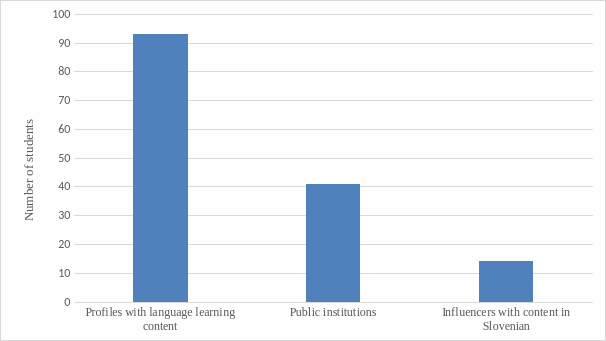
Figure 2 Types of profiles students follow
2.2. Opinions on the impact on language learning
An analysis of responses to questions about the perceived impact of using Instagram on learning Slovene as a non-native language shows that most students perceive the platform as a useful supplementary source of language input. 68.9% of participants (n = 102) assessed that following content in Slovene helps them expand their vocabulary, while 54.7% (n = 81) stated that using Instagram contributes to a better understanding of the cultural context. A smaller proportion of students (23.6%, n = 35) pointed out that the platform has a positive effect on their motivation to learn the language, mainly due to the informal and visually appealing way of presenting content. Despite the positive assessments, some participants pointed out limitations. Approximately 18.2% (n = 27) felt that the content was often too fragmented and did not allow for systematic progress, while 12.8% (n = 19) expressed concern about distracting elements that reduce focus on learning. Open-ended responses revealed that students see Instagram primarily as a supplement to formal instruction rather than as a primary tool for achieving higher levels of language proficiency.
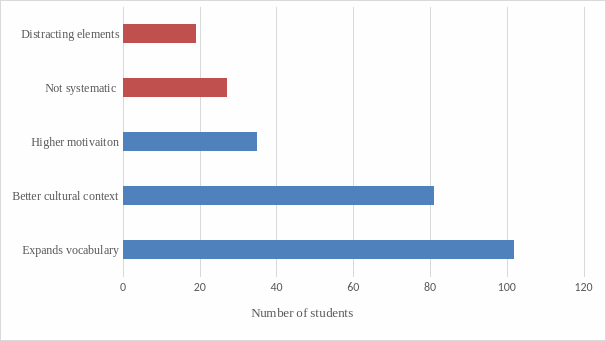
Figure 3 Pros and cons of learning through social media
An analysis of open-ended responses reveals that students primarily recognize Instagram as a motivational and memory trigger for language contact, with the platform serving as a supplement to formal instruction. Several participants described how regular exposure to short posts in Slovene encourages them to engage more frequently with vocabulary and cultural references: "Instagram reminds me of Slovene when I'm scrolling through my phone. The posts are short and fun, so I find learning less tedious than from a textbook." A similar observation appears in reflections on contextual learning: "I like seeing words in context, for example in photo descriptions, but I can't learn grammar just from Instagram." Such statements support the quantitative picture that use is predominantly receptive, focused on authentic input and visual support for comprehension, while systematic progress in grammar and production remains limited.
At the same time, participants emphasize the difference between motivation and actual learning. Although the informal, visually appealing nature of the platform is often described as more enjoyable than traditional methods ("The posts are more fun than learning from a workbook, but if I want to progress, I have to do the exercises"), the perceived added value of learning remains mainly at the level of language feel and vocabulary expansion: "It's good for motivation because everything is visual and interesting, but you don't learn much; it's more about feeling the language than actual learning."
Cultural orientation is highlighted as an important aspect. Following the profiles of public institutions and local media contributes to a better integration of the language into the context of everyday life in Ljubljana: "I follow profiles with events in Ljubljana because it helps me understand the culture, but I need other sources for the language." At the same time, several students point out that such use is not structured enough to replace formal learning: "Instagram helps me remember Slovene words when I see pictures, but I don't know if I'm really learning anything." The overall impression from the responses is that Instagram serves as an accessible, motivational tool for informal exposure to Slovene, while targeted, systematic activities (exercises, teacher feedback, guided speaking) remain key to progress.
3. Conclusion
The results of the study show that Instagram is often used in a higher education context as a supplementary tool for learning Slovene as a non-native language, primarily through regular exposure to authentic input and cultural references. In addition to Instagram, students also use TikTok, Facebook, and YouTube, but to a lesser extent. The use of the platform is predominantly receptive (following profiles, short responses), while productive practices (commenting, own posts in Slovene) remain limited. Students rate the platform as motivational and accessible, as it is visually appealing, short posts encourage contact with the language and contribute to vocabulary expansion, but students are nevertheless aware that progress without structured learning activities and targeted feedback is limited.
For teaching practice, this means that it makes sense to incorporate social networks as a supporting element: a curated selection of profiles (language learning and institutional), micro-tasks for receptive comprehension and targeted follow-up in the classroom (e.g., vocabulary explanations, short guided production tasks), considering ethical and privacy guidelines. In this context, Instagram can strengthen student motivation and engagement, but it does not replace the systematic development of grammar, pronunciation, and production.
The study does have some limitations, such as the specific population, as the survey was completed by Erasmus+ students at the beginner level, which limits generalisation. In the future, it would be useful to include different levels of ability and different ages. It would also be interesting to conduct research on language acquisition through the use of social networks (experiments with pre- and post-tests) and to analyse the effects on specific language outcomes (vocabulary, grammar, comprehension). With this approach, higher education institutions can make more comprehensive use of the potential of social networks and integrate it meaningfully into learning design that supports progress in all phases of language learning.
References
Bakar, R., B. Morat, F. Tazijan, N. Adnan. (2024). TikTok as a Coping Strategy in Learning English during the COVID-19 Pandemic: Exploring the Acceptance and Usage among Malaysian Undergraduates. Academy of Language Studies. In: International Journal of English Language Education, 12, 110-126. https://doi.org/10.5296/ijele.v12i1.21776
Barrot, J. S. (2023). Using social networking sites as a language teaching and learning environment. In: Language Teaching, 56(2), 181–196. https://doi.org/10.1017/S0261444822000167
Bing, L. (2022). Boosting EFL learners’ commitment and enjoyment in language learning through social networking: A literature review. In Frontiers in Psychology, 13. https://doi.org/10.3389/fpsyg.2022.999586
Ibrahim, Nurul. (2023). The Use of TikTok in Learning English as a Second Language. In: International Journal of Social Sciences and Education Research, 5, 355-365.
Lee, Yeong-Ju. (2022). Language learning affordances of Instagram and TikTok. In: Innovation in Language Learning and Teaching, 17, 1-16. https://doi.org/10.1080/17501229.2022.2051517
Shu, J. (2023). EFL learners’ problematic use of social media usage, classroom anxiety, perfectionism, and language attainment: correlations and perceptions. In: BMC Psychol, 11, 443.