Interdisciplinary STEM lectures on polar ice melting: a pilot study on a gamified activity for freshmen undergraduate students
Interdisciplinary STEM lectures on polar ice melting for undergraduate students
Interdisciplinary STEM lectures on polar ice melting: a pilot study on a gamified activity for freshmen undergraduate students
Vittoria
Garrone ,
Samuele Roccatello
Department for Sustainable Development and Ecological Transition, University of Eastern Piedmont, Italy.
How to cite: Garrone, V.; Roccatello S.;(2026). Interdisciplinary STEM lectures on polar ice melting: a pilot study on a gamified activity for freshmen undergraduate students. In: 12th International Conference on Higher Education Advances (HEAd’26). Valencia, 15-18 June 2026. https://doi.org/10.4995/HEAd26.2026.21557
We present an interdisciplinary STEM activity, which is part of a series of lectures on polar ice melting, for freshmen undergraduate students in Environmental Sciences. In the pilot study presented here, we showcase how we exploit gamification to improve engagement and learning and we monitor how the students perceive the efficacy of the lecture. Preliminary results seem promising, suggesting that it is possible to develop activities that allow the development of knowledge in both physics (i.e., state transition) and mathematics (i.e., straight lines on a Cartesian plane). We also show that engagement was quite good, and this in turn can encourage students to persist in STEM intense careers, which are perceived as difficult and can cause early drop out.
Keywords: Gamification; STEM education; Teaching; Water
1. Introduction and theoretical background
Hard sciences such as physics and mathematics require both understanding abstract formulas and concepts and dealing with complexity, thus students’ motivation can be negatively affected (Zhan et al., 2022). This can turn into students being reluctant to participate in Science, Technology, Engineering, and Mathematics (STEM) subjects (De Loof et. al.; 2021). There is a need for innovative teaching approaches that facilitate learning by translating complex concepts into more accessible knowledge through practical and experiential activities (Shen et al., 2022). The term gamification refers to the use of typical game elements in contexts that are not recreational. In recent years, this approach has become increasingly widespread in various fields, particularly in education, where it is used as a strategy to increase student engagement and motivation (Nah et al., 2014; Zeybek et al., 2024).
The Aquaversity project, a European ERASMUS+ project, develops along these lines and addresses the sixth and fifteenth United Nations’ Sustainable Development Goals (SDG6; SDG15), which acknowledge that human activities are compromising water resources and their biodiversity through over-exploitation and pollution, and which clarify how water quality, quantity and access are crucial to human well-being (Taylor et al., 2022). More specifically, the Aquaversity project takes on Davis’ et al. (2019) perspective on STEM education, considering each discipline in its own identity, including its knowledge and practices, and at the same time describing the relationships or interactions that take place between them. According to this perspective, teachers can blur disciplinary boundaries without erasing them completely, and the students learn topics that pertain to different disciplines within the same, one lesson. This is how Davis et al. (2019) defines interdisciplinarity, claiming that in this way students can see the same phenomenon through different disciplinary lenses.
In our study, we focus on the mathematical models for polar ice melting. The interdisciplinarity between mathematics and physics lies at the intersection between physical models for solid-liquid phase transitions and the mathematical models of straight lines. In order to deal with the phenomenon of melting ice, one should master both models, as the knowledge of one supports the understanding of the other one. This is all but easy, as Yalcin (2012) notes in her review of research findings of students’ misunderstanding of phase transitions. Concepts like melting, freezing, evaporation, vapour pressure, state changes and phase diagrams, constitute a fundamental part of the content of physics course both in high school and at university. The literature review conducted on this topic showed that students have difficulty with the application of abstractions and problem solving, even though they may have had the necessary level of knowledge (Yalcin, 2012). Thus, it is important to explain specific situations and experiences using clear and relevant models (Yalcin, 2012). Gopal et al. (2004), investigated tertiary students' understanding of evaporation, condensation, and vapour pressure, and a key misconception was found to be the belief that evaporation and condensation require a temperature gradient in order to take place. Azizoğlu et al.’s (2006) study shows that the undergraduates' understandings of the concepts related to changes of state were quite weak. Given the gap even in university students’ knowledge about state transitions, the research aim of our study is to examine whether it is possible to have high engagement and positive experiences while students are exposed to a gamified activity.
2. Methodology
2.1 Description of the game
The educational game developed, called Thermo-Quest, is part of a broader multidisciplinary programme consisting of four sessions covering topics in physics, mathematics, biology and Earth sciences. The programme focuses on the phenomenon of Alpine and Arctic glacier melting and its environmental consequences.
The game Thermo-Quest represents the first lesson and aims to provide students with: (i) basic knowledge of phase transitions and states of matter; (ii) knowledge of the concept of heat and latent heat; (iii) application of direct and inverse formulas on heat; (iv) enhancement of calculation skills; and (v) graphical interpretation of the ‘heat-temperature’ relationship. These knowledge and skills are essential for fully understanding the phenomenon of glacier and Arctic ice melt caused by climate change.
The game design targets upper secondary school students, requiring a foundational understanding of algebra to manipulate physical formulas. The activity is structured as a team-based competition, fostering cooperative learning dynamics within groups and competitive engagement between them. The teacher assumes the role of the "Game Master," a crucial figure who orchestrates the gameplay, explicates the rules, validates the answers to the quizzes, and manages the turn-taking flow. This centralized management ensures that the focus remains on the learning objectives while maintaining a fair competitive environment.
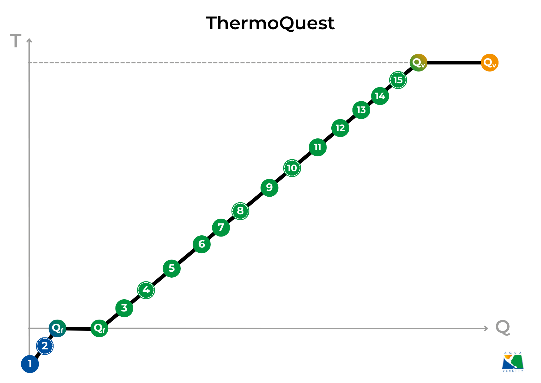
Figure 1. The game board: students start from step 1 and should go to final step Qv.
Thermo-Quest simulates the heating curve of water. Each team impersonates a mass of 10g of water, with the objective of transitioning from a solid state at -10°C to a gaseous state (vapor) at 100°C. The game board represents a Temperature-Heat (T/Q) graph, divided into 20 discrete steps (Fig. 1) . The core mechanic relies on a "physics-based economy." Movement on the board is not arbitrary; it is governed by the laws of thermodynamics. For example, resorting to the mathematical model of the straight line, the students experience the energy that is necessary to heat up a solid piece of ice (low energy, indeed), then how much (more) energy is necessary to heat up liquid water, and resorting to the mathematical model of the horizontal line students figure out that there is no increase in temperature during fusion or vaporization. Before the dynamic phase begins, teams must apply specific physical formulas to determine the “cost” of the journey by filling in a form showing the temperatures at each step. The quantities that should be calculated in order to jump from one step to the next can be within sensible heat, or latent one. For the steps representing a temperature increase within the same state (i.e., sensible heat), students calculate the energy required using the equation Q = mcΔT. With respect to latent heat, critical points on the board represent phase transitions (melting and boiling). Here teams must calculate the "thermal tax" required to change state using Q = mLf (fusion) or Q = mLv (vaporization). This initial phase transforms abstract calculations into tangible game resources: the calculated energy values are converted into “heat tokens” needed to advance.
After the calculation phase, the game proceeds in a recursive loop consisting of three main stages, designed to balance stochastic elements (luck) with strategic planning. Stage 1 consists of resource acquisition (i.e., farming): the students roll dice to generate heat tokens. This represents the energy input into the system. Stage 2 consists of resource allocation (i.e., spending): the students decide how to allocate their limited budget. Tokens can be spent to pay the energy cost of moving forward along the graph or to purchase "Effect Cards." This introduces a layer of resource management strategy, forcing students to choose between raw speed and tactical utility: effect cards introduce direct interaction between students. Players can hinder opponents (e.g., removing tokens, forcing a turn skip) or boost their own progress, simulating the unpredictable variables in experimental or environmental contexts. Specific steps on the board, marked as "quiz zones," trigger questions managed by the teacher and allow teams to earn extra tokens based on their theoretical knowledge. This reinforces the learning objectives of the activity, providing immediate feedback on students' preparation.
The game ends when a team successfully transitions their water mass entirely to vapor (reaching the end of the graph) or when the allotted time expires. In the latter case, the team that has progressed furthest along the thermodynamic curve is declared the winner.
2.2 Participants, method of data collection and of data analysis
The participants in the pilot study are 35 freshmen who were attending the first semester of Environmental Sciences undergraduate course at the University of Eastern Piedmont in the academic year 2025-26. The activity took place during one of the mathematics lessons and it was prepared by the mathematics professor collaborating with the authors of this paper.
To assess the effectiveness of the activity, students were given a questionnaire immediately after the gaming session. The questionnaire consisted of two distinct sections. The first one collects participants’ sociodemographic data (gender, age), and (Q1) whether they have experienced educational games before the activity and (Q2) to self-report the level of knowledge they have of the topic. In the second section, the students evaluate the educational experience and the 12 questions of this section consider three dimensions: engagement (ENG), didactic efficacy (DID), and user experience (USX). The items were scored using a 5-point Likert scale anchored at 1 ("Strongly Disagree") and 5 ("Strongly Agree"), with a neutral midpoint at 3. The instructions explicitly encouraged immediate, instinctive responses to minimize social desirability bias. The questions are reported in Table 1. Data were collected anonymously to ensure participant privacy and encourage honest feedback.
Table 1. Item list to evaluate the experience.
Item number |
Statement |
Code |
1 |
I felt involved during the game. |
ENG1 |
2 |
The game caught my attention. |
ENG2 |
11 |
I had fun. |
ENG3 |
12 |
I would like to play this game again. |
ENG4 |
3 |
I’ve learned new and relevant content. |
DID1 |
4 |
The game helped me to better understand the topics covered. |
DID2 |
5 |
Thanks to the game, I’ve consolidated my understanding of concepts related to phase transitions. |
DID3 |
8 |
The calculations helped me to better understand the physical phenomena represented. |
DID4 |
6 |
The preliminary activities with the calculations were clear and understandable. |
USX1 |
7 |
The calculations required during the game were appropriate for my level. |
USX2 |
9 |
The game was appropriately challenging for me. |
USX3 |
10 |
The rules were easy to understand. |
USX4 |
Considering the exploratory nature of this study and the current sample size, it did not seem appropriate to proceed with advanced inferential statistical modeling at this stage. Instead, a descriptive statistical approach has been prioritized to provide a preliminary overview.
3. Data analysis
A majority of the participants is male (80%), and 50% of them are 19 years old, which is also the youngest age, while the oldest one is 23. The participants have already experimented with educational games, 70% of them sometimes and 30% often (Figure 2, left). With respect to the questions regarding the engagement of the students, we report that 80% of them rated 4 or 5 how much they felt involved in the activity (ENG1). With respect to ENG2, 70% rated 4 or 5, and no one selected 1, nor 2. Looking at the ratings for ENG3, 50% felt they learned new topics, 40% of them were neutral, and 10% rated 1. Finally, with respect to the last question about engagement (ENG4), 60% rated 4 or 5, 30% rated 3 and no one rated 1. Overall, we can say that the level of engagement was good, yet considering the small sample size.
The majority of the participants self-assessed their level of prior knowledge regarding state transitions as good, as it is shown in the graph to the right of Figure 2. With respect to the questions concerning the didactical efficacy (DID1 to DID4), overall the ratings were quite high. Figure 3 shows the participants’ answers grouped by levels of prior knowledge (i.e., answers to Q2).
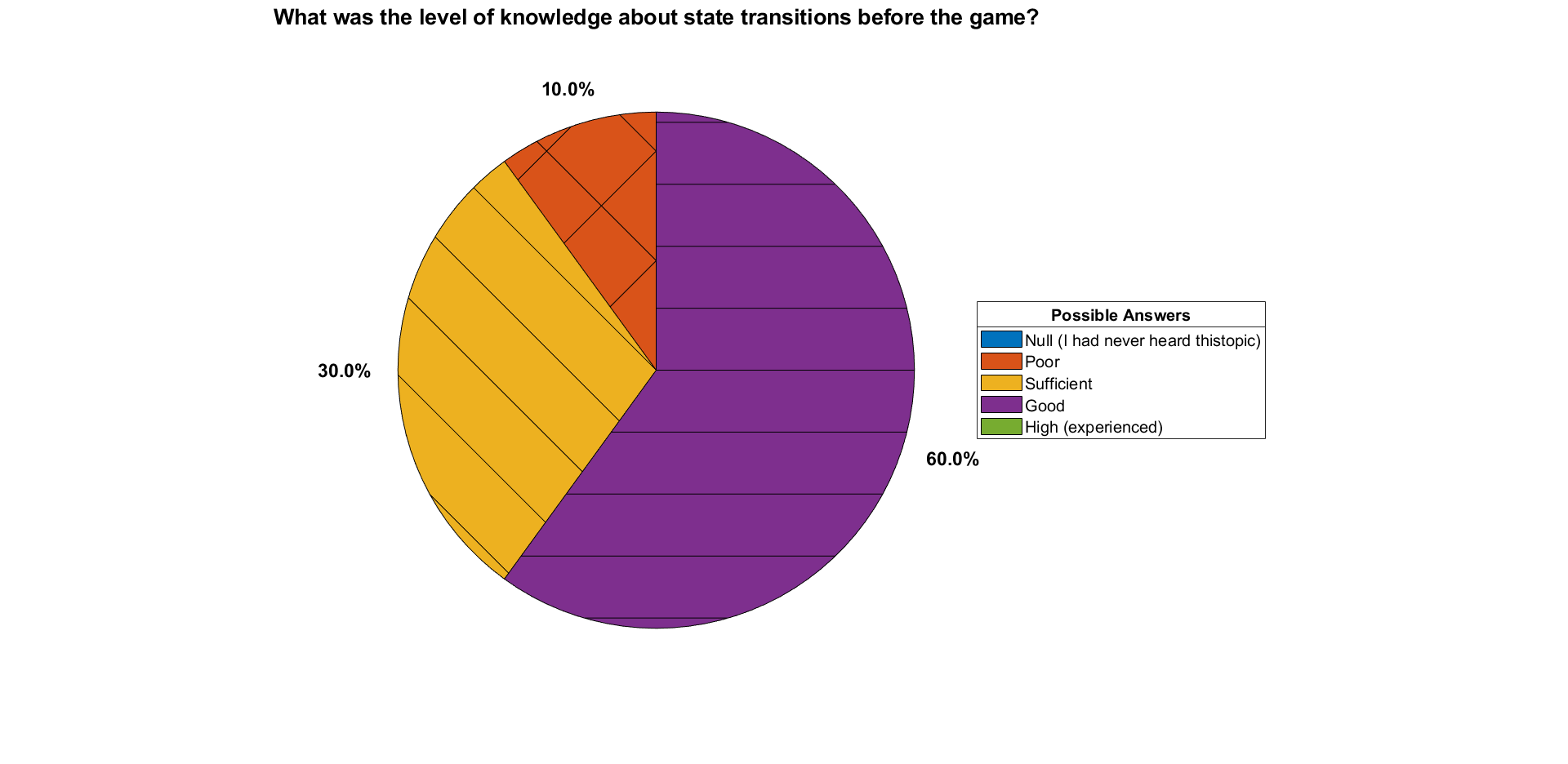
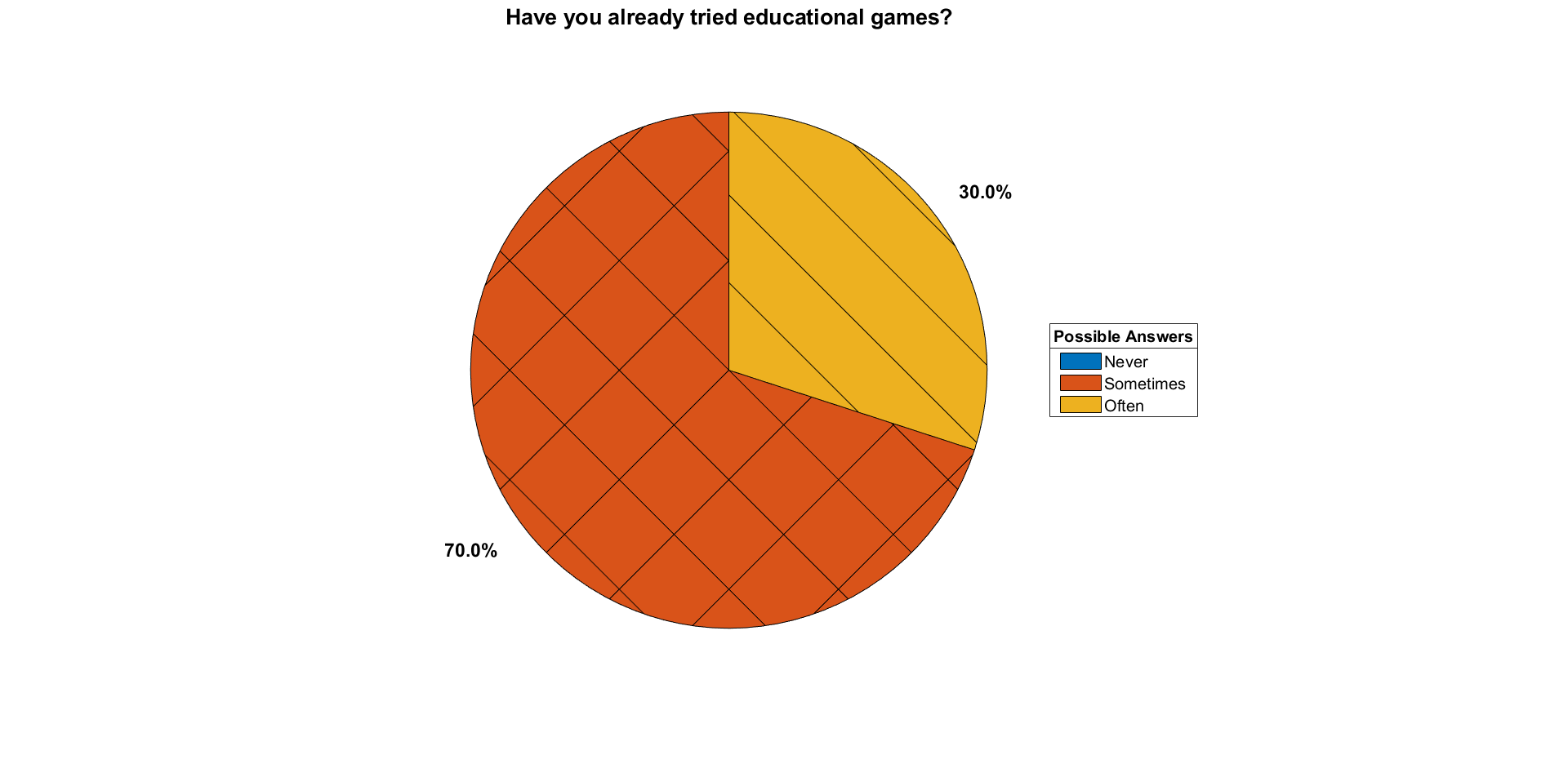
Figure 2. To the left, the participants' previous exposure to educational games (Q1). To the right, self-assessed prior knowledge levels concerning the topic among participants (Q2).
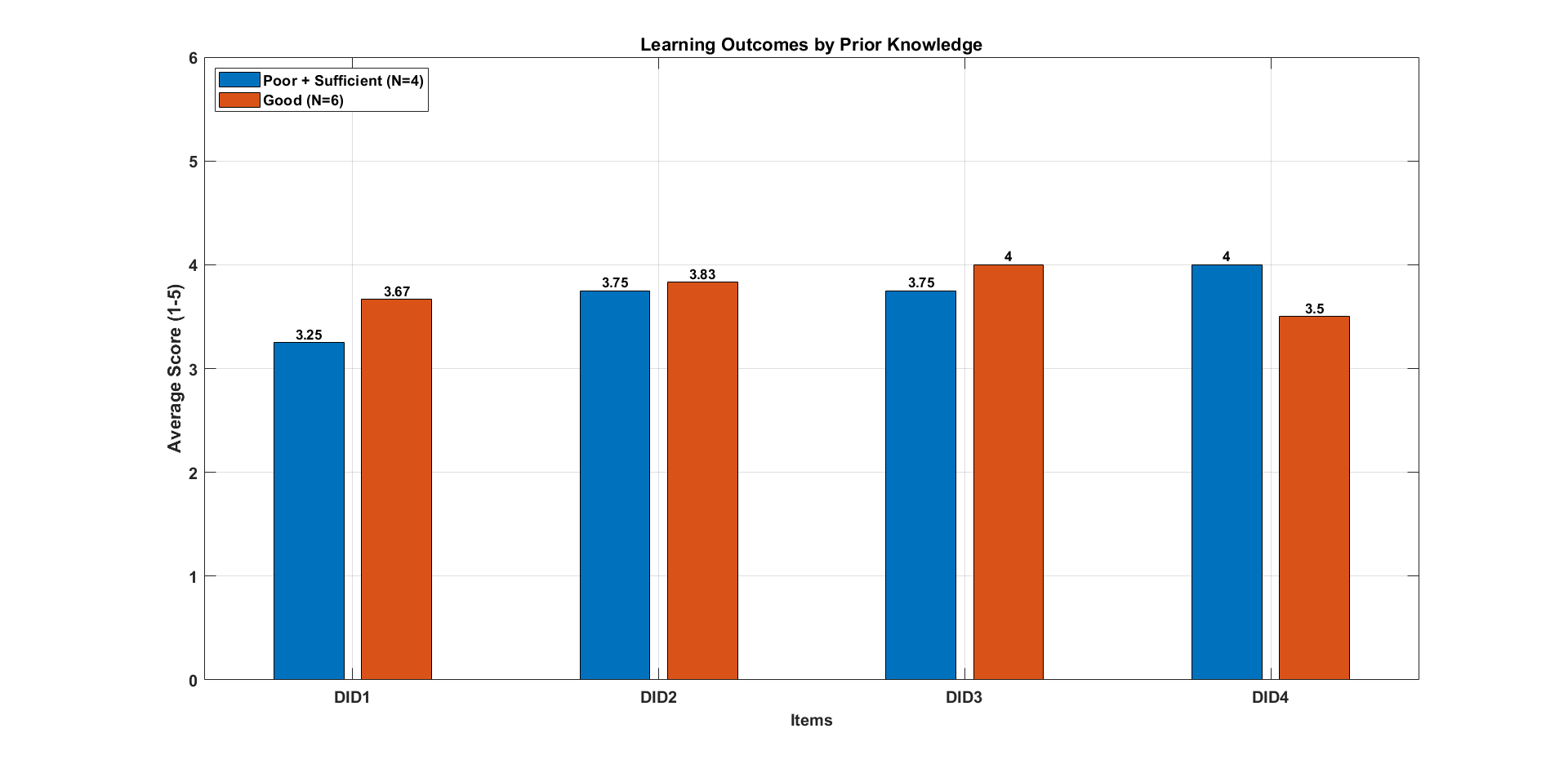
Figure 3. Comparative analysis of mean scores for the Didactic Efficacy (DID) items, stratified by participants' self-assessed prior knowledge level. Scores are reported on a 5-point Likert scale.
The results shown in Figure 3 suggest an overall positive perceived effectiveness of the proposed activity. The game appeared particularly effective in helping the participants consolidate the concepts illustrated in the first theoretical part (DID3), especially for advanced students, while the lower-knowledge group should probably benefit from additional time for knowledge to sink in. For DID2 both groups reported a similar positive perception, suggesting that the game successfully clarified the topics regardless of the participant’s starting level. A quite remarkable difference was observed in DID4. Participants with lower prior knowledge rated the contribution of the calculations made in understanding the topic as very positive. Conversely, students with stronger backgrounds may have found the calculations less critical for their comprehension, likely because they already possessed the necessary theoretical knowledge. Regarding the acquisition of new content (DID1) the "Good" prior knowledge group reported a higher score (M=3.67) compared to the "Poor/Sufficient" group (M=3.25). This result requires further investigation, as it implies that the game may contain nuances or advanced layers of information that are more easily appreciated by those with a solid foundational grasp of the subject.
We finally look at the answers to the four questions regarding user experience. 50% of the students selected option 4, i.e. quite good agreement, for question USX1, the remaining half opted for 5 (10%), or 2 (20%), or the neutral option 3 (20%). 80% of the students selected options 4 or 5 for question USX2. For both questions USX3 and USX4, 60% of the students selected the neutral option 3. We interpret data about user experience as positive with respect to the perceived clarity and understandability of the calculations, as well as their suitedness for the knowledge level of the participants. At the same time, the students perceived the activity neither too much, nor too few, challenging, and the same holds for the ease of the rules, in terms of students’ perceptions.
4. Discussion and conclusions in short
To recall, our aim is to examine whether it is possible to have high engagement and positive experiences when students are exposed to a gamified activity about state transitions, which in turn allows the understanding of polar ice melting. We have shown data from a pilot study on the first one of a series of four lectures and data reveal that, overall, engagement and user experience were quite high. Also perceived didactical efficacy was high, both for students who self-report high levels of prior knowledge and for those who self-report a low or intermediate one. One limitation of this study, which is a pilot, is the small sample size. We plan to replicate the activity with 60 students in May 2026, with another cohort of 40 undergraduate students in autumn 2026, and with other 10 classes of high school students in the academic year 2026-27.
We conclude by stressing the importance, even at university level, to employ gamified activities that facilitate learning and motivate students to opt for STEM careers. In the larger implementation phase, we plan to monitor both students’ understanding of the mathematical and the physical properties of the phenomenon of polar ice melting, and their motivation and towards STEM studies. The importance of enhancing both understanding and motivation is stressed in literature and it emerges also from our research. Findings, even with a limited sample, seem promising and relevant for a better and deeper understanding of physical phenomena.
References
Azizoğlu N., Alkan M. and Geban Ö., (2006), Undergraduate pre-service teachers' understanding of phase equilibrium. Journal of Chemical Education, 83(6), 947–953.
Davis, B., Francis, K. & Friesen, S. (2019). STEM Education by Design: Opening Horizons of Possibility. 10.4324/9780429025143.
De Loof, H., Struyf, A., Boeve-de Pauw, J., & Van Petegem, P. (2021). Teachers’ motivating style and students’ motivation and engagement in STEM: The relationship between three key educational concepts. Research in Science Education, 51(Suppl 1), 109-127.
Gopal H., Kleinsmidt J., Case J. and Musonge P., (2004), An investigation of chemical engineering students' understanding of phase change. International Journal of Science Education, 26(13), 1597–1620.
Nah, F. F. H., Zeng, Q., Telaprolu, V. R., Ayyappa, A. P., & Eschenbrenner, B. (2014, June). Gamification of education: a review of literature. In International conference on hci in business (pp. 401-409). Cham: Springer International Publishing.
Shen, W., Zhan, Z., Chen, L., Chen, H., & Shen, R. (2022). Constructing Event Graph for Computational Thinking Path Analysis through Behavioral Representation: A new approach for learning analytics. In The 6th International Conference on Education and Multimedia Technology (ICEMT, 2022). IEEE. doi: https://doi. org/10.1145/3551708.3556217.
Taylor, J., Graham, M., Louw, A., Lepheana, A., Madikizela, B., Dickens, C., ... & Warner, S. (2022). Social change innovations, citizen science, miniSASS and the SDGs. Water Policy, 24(5), 708-717.
Yalcin, F. A. (2012). Pre-service primary science teachers' understandings of the effect of temperature and pressure on solid–liquid phase transition of water. Chemistry Education Research and Practice, 13(3), 369-377.
Zeybek, N., & Saygı, E. (2024). Gamification in education: Why, where, when, and how?—A systematic review. Games and Culture, 19(2), 237-264.
Zhan, Z., He, L., Tong, Y., Liang, X., Guo, S., & Lan, X. (2022). The effectiveness of gamification in programming education: Evidence from a meta-analysis. Computers and Education: Artificial Intelligence, 3, 100096.