Co-Creative VR Heritage Workshops in Higher Education: Insights from the IMPULSE Pre-Hackathon Series at KU Leuven
Co-Creative VR Heritage Workshops in Higher Education
Co-Creative VR Heritage Workshops in Higher Education: Insights from the IMPULSE Pre-Hackathon Series at KU Leuven
Sofie
Taes
 , Frederik Truyen
Zoë Vandenhende
Faculty of Arts, KU Leuven, Belgium.
How to cite: Taes, S.; Truyen, F.; Vandenhende, Z. (2026). Co-Creative VR Heritage Workshops in Higher Education: Insights from the IMPULSE Pre-Hackathon Series at KU Leuven. In: 12th International Conference on Higher Education Advances (HEAd’26). Valencia, 15-18 June 2026. https://doi.org/10.4995/HEAd26.2026.21593
Abstract
This paper examines two co-creative Virtual Reality workshops conducted at KU Leuven as part of the IMPULSE project, exploring how immersive technology supports heritage education through collaborative design. Through reflective practitioner analysis of workshop artefacts, facilitator observations, and participant feedback, we identify two distinct design approaches - educational/exploratory and narrative/playful - and examine how participants navigated tensions between authenticity, engagement, and technical constraints. Our findings show how transforming 2D heritage materials into 3D environments prompts creative problem-solving and curatorial thinking, demonstrating co-creation's value as a pedagogical strategy in heritage education. These insights contribute to emerging debates on innovative teaching and learning experiences with immersive educational technologies.
Keywords: Virtual Reality; Cultural Heritage Education; Co-creation; Immersive Learning; Digital Storytelling; Higher Education.
1. Introduction
The integration of Virtual Reality into heritage education has generated considerable interest, yet most studies evaluate VR as a delivery medium – a more engaging substitute for the lecture or the museum visit. What remains underexplored is what happens when students become the designers of heritage experiences rather than their audience. This shift is not merely technical. It places students inside the interpretive decisions that practitioners navigate daily; what to include, how to frame it, whose story to tell, and how to balance accuracy with engagement.
Recent research demonstrates that VR content creation outperforms traditional approaches in cultural heritage education, particularly when using low tech-barrier tools accessible to non-specialist learners (Hu and Ng, 2026). However, existing studies focus on semester-long course assignments with individual students creating VR content for assessment purposes (Paolanti et al., 2023; Hu and Ng, 2026). Few examine intensive, collaborative workshop formats where interdisciplinary teams co-create heritage experiences together, or how the design process itself develops curatorial thinking and heritage literacy beyond technical skills.
This paper presents findings from two pre-hackathon workshops conducted at KU Leuven (KUL) as part of the IMPULSE (IMmersive digitization: uPcycling cULtural heritage towards new reviving StratEgies) project, funded by Horizon Europe. In parallel with workshops organized by other IMPULSE consortium partners, this paper focuses on those held at KUL. Both workshops sit within Work Package 1 (Extended Storytelling towards Vivid User Experience), Task 1.3, which targets the development of a Teaching and Learning Prototype. Participants were challenged to collaboratively design educational VR experiences using predominantly two-dimensional digital representations of heritage materials, reimagining flat archival content as dynamic three-dimensional learning environments.
The study is guided by three research questions: (1) What design approaches emerge when interdisciplinary teams collaboratively create VR heritage experiences in time-bounded settings? (2) What design tensions do participants navigate, and what do these reveal about heritage interpretation? (3) In what ways does the co-creative process support the development of curatorial thinking and heritage literacy? In addressing these questions, the paper offers empirical insights into immersive learning design relevant to emerging educational technologies and innovative teaching and learning experiences in higher education.
2. Context and Approach
VR-based heritage education aligns with constructivist approaches where learners construct meaning through direct interaction with cultural artifacts (Kolb, 2022). The immersive qualities of VR can deepen understanding and promote sustained engagement with cultural heritage, transforming how students experience historical contexts that might otherwise be inaccessible (He et al., 2024). Recent research demonstrates that maker-oriented VR content creation achieves stronger multidimensional learning outcomes than traditional assessment approaches (Hu and Ng, 2026), while collaborative VR artefact creation shows promise for improving engagement and motivation (Mihaescu and Andone, 2023).
Two theoretical traditions inform our analysis. The first is design-based learning, which positions students as active designers who learn through iterative cycles of making, testing, and reflecting on artefacts (Hmelo-Silver et al., 2007; Goldman and Pellegrino, 2015). Applied to heritage education, this reframes VR creation as a form of disciplinary reasoning. The second is critical heritage studies, which argues that heritage is not a neutral given but something actively constructed, interpreted, and contested (Smith, 2006; Jiménez Pérez et al., 2010). Co-creative design work makes this visible in practice: when students decide what to include, how to frame it, and for whom.
3. Workshop Design
We conducted two workshops at KU Leuven in 2025 as part of the IMPULSE pre-hackathon series. Table 1 provides an overview of their key features.
Table 1: Key Features of the Two IMPULSE Pre-Hackathon Workshops at KU Leuven.
Workshop |
Duration |
Participants |
Disciplines |
Format |
Workshop 1 (February 2025) |
2 days |
14 participants across 4 interdisciplinary teams |
Students, educators, artists, researchers |
Storyboarding, iterative prototyping, peer feedback |
Workshop 2 (December 2025) |
2 hours |
5 postgraduate students in 2 groups |
Heritage Studies (postgraduate) |
Curation warm-up, guided reflection cards, hands-on VR creation, headset demo |
Both workshops used the same early-stage multi-user virtual reality platform (MUVE) developed within the IMPULSE project, with an updated iteration tested in December. A defining constraint was the use of predominantly two-dimensional heritage materials - manuscripts, prints, maps, and glass slides - as the primary design substrate, reflecting common GLAM digitisation contexts where three-dimensional assets remain limited, and where design constraints can productively shape creative and pedagogical outcomes (Nofal et al., 2025). Where available, selected three-dimensional objects functioned as supplementary elements. Both workshops used semi-structured guidance combining clear educational objectives with creative freedom, following approaches validated in large-scale collaborative digital storytelling research (Di Blas, 2022).
3.1. Data Collection and Analysis
Data were collected through multiple sources: real-time participant feedback via Mentimeter on technical requirements; visual documentation of design sessions; analysis of design artefacts including Miro boards and VR prototypes; facilitator field notes; and post-workshop analysis of outputs and design rationales. All participants provided informed consent prior to participation, GDPR-compliant consent documentation was signed, and the feedback was administered anonymously.
Analysis was conducted as reflective practitioner inquiry (Schön, 1983): the facilitation team reviewed the collected materials iteratively after each workshop, identifying recurring patterns in design decision, participants strategies, and expressed challenges through discussion and collaborative interpretation. This approach is appropriate to the study’s context, in which the researchers were also the workshop facilitators – a dual role that affords direct observational access to the design process but calls for interpretive caution rather than claims of systematic distance. Findings should be read as grounded observation warranting further investigation rather than established generalisations.
4. Two Approaches to VR Heritage Design
Analysis revealed two distinct design approaches across both workshops. The first -educational/exploratory - prioritized information delivery, spatial navigation, and thematic coherence, treating the VR space as an extension of the museum: a structured environment for guided encounter with curated knowledge. The second – narrative/ playful – developed scenario-based, character-driven experiences that valued emotional impact and audience engagement over historical fidelity. We could read this as reflecting a tension that runs through heritage interpretation more broadly: between conveying accurate knowledge and creating meaningful experience. The fact that both approaches emerged across two very different workshops, without any facilitation prompt, suggests this tension surfaces naturally when learners are given genuine design agency.
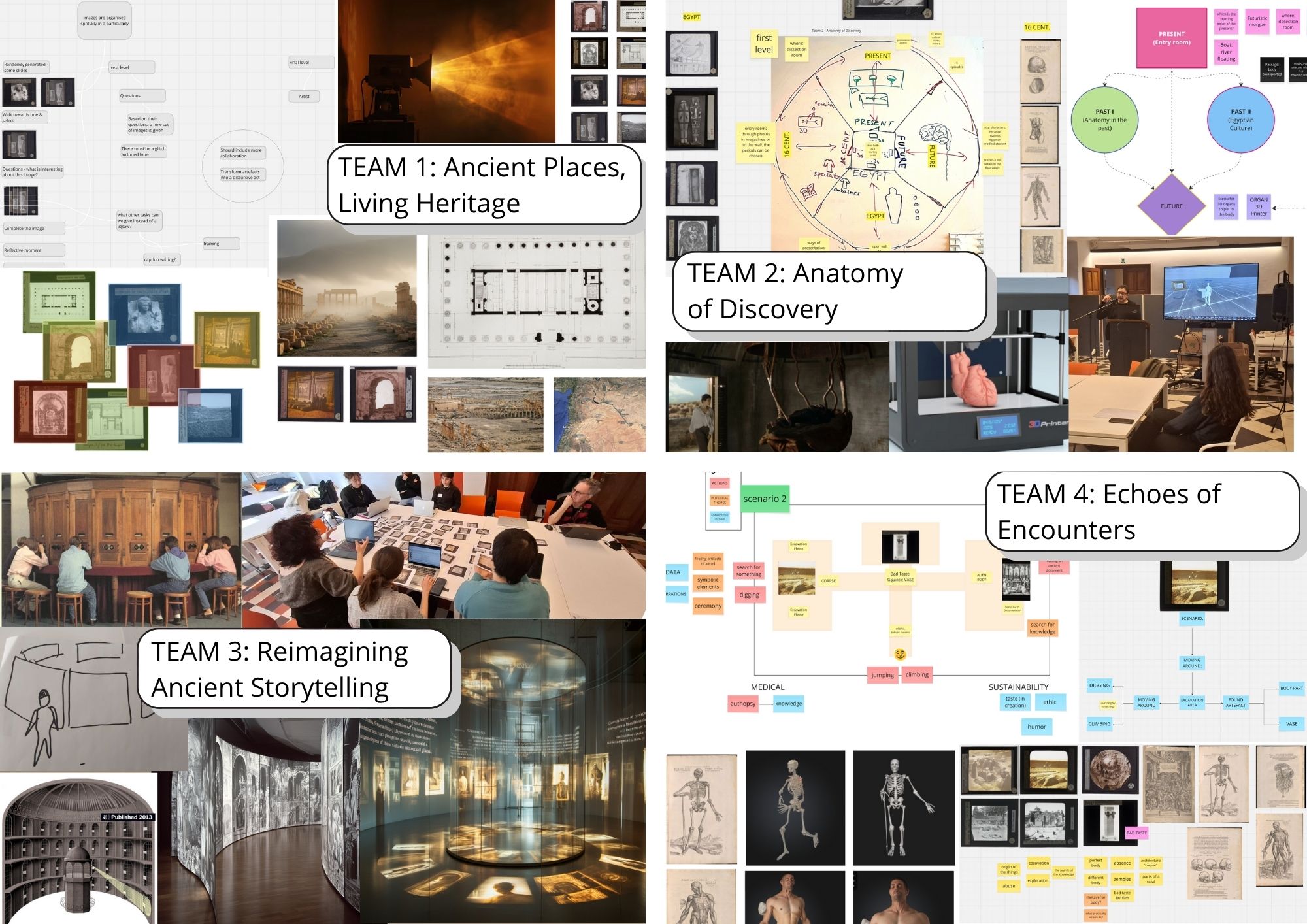
Figure 1. Visual of the February 2025 Workshop Outputs. Source: Author (2025).
In December, Group 1 created a mini-exhibition using boat models and pilgrimage book pages displayed as large wall panels for an immersive maritime heritage environment. Group 2 took a different direction, creating ‘Tony’ – a character assembled from heritage objects representing threats to cultural heritage, positioned as attacking Group 1’s museum. The productive irony here – one group building an institution while the other critiqued it – generated a shared reflection on heritage’s contested nature that neither group would have reached alone. February’s teams worked similarly: Team 1 (Ancient Places, Living Heritage) transformed glass slides and floor plans into visual narratives about endangered sites like Palmyra; Team 2 (Anatomy of Discovery) blended precision with creative reinterpretation of anatomical materials; Team 3 (Reimagining Ancient Storytelling) explored mythological fragments through shadow play; Team 4 (Echoes of Encounters) created avatars from anatomical drawings to visualise cultural exchange.
4.1. Design Tensions and Creative Solutions
Participants navigated several recurring tensions that illuminate broader questions in heritage interpretation. The most prominent was the balance between authenticity and engagement: teams debated how much creative liberty was appropriate with historical materials. Educational approaches prioritized historical accuracy; narrative approaches prioritised emotional resonance for broader audiences. Rather than this being a problem to resolve, the experience of holding and justifying this tension – to collaborators with different disciplinary backgrounds – was itself generative.
Scale and spatial relationships proved particularly challenging, echoing findings from VR reconstruction and game-design contexts where building and navigating virtual environments supports spatial reasoning but foregrounds interpretive decision‑making (Forsyth, 2023). Some participants wanted objects displayed at their original real-world dimensions; others manipulated scale for effect, transforming manuscript pages into wall-sized architectural panels. Teams developed a range of creative strategies for presenting flat materials three-dimensionally: large-scale wall displays, layered compositions arranging slides at different depths, collage techniques, and integration of 2D imagery with 3D models. A third tension concerned navigation: educational teams favoured structured pathways to ensure specific learning outcomes; narrative teams preferred open environments where users could explore freely and construct their own meanings.
4.2. Curatorial Thinking and Heritage Literacy
Across both workshops, facilitator observations and design artefacts suggested a trajectory in which initial object selection – often based on visual interest or personal affinity – gave way to selection grounded in narrative logic, audience awareness, and interpretive argument. This is consistent with design-based learning’s emphasis on iterative reflection (Hmelo-Silver et al., 2007), though we note this as an observed pattern rather than a measured outcome.
February’s interdisciplinary composition made this development particularly visible. Technical participants guided platform-compatible solutions; heritage specialists advocated for scholarly insights and accuracy; artistic researchers foregrounded visual impact. Every design decision had to be justified in terms that made sense across disciplines. December’s more focused workshop produced a different but equally valuable dynamic: the guided reflection cards prompted participants to articulate fundamental questions about institutional heritage practice – what VR enables beyond traditional museums, how hidden collections might be made accessible, how authenticity and engagement can trade off against each other – that they might not have encountered in a conventional heritage curriculum.
5. Discussion
Co-creative VR workshops function as more than technical training - they develop heritage literacy. When students design VR experiences, they grapple with questions about balancing authenticity with accessibility, deciding what objects mean, and serving diverse audiences. This aligns with calls for heritage education to emphasize critical engagement over passive consumption (Smith, 2006; Jiménez Pérez et al., 2010). Positioning students as designers rather than consumers makes them aware that heritage interpretation is always a choice – always constructed, always partial.
Returning to the study’s research questions: two design approaches emerged – educational/ exploratory and narrative/ playful. Their significance lies not in the approaches themselves, but in what their coexistence reveals. Both appeared across two very different workshops without prompting, suggesting that the tension between conveying knowledge and creating experience may be a recurring feature of heritage design work – one that surfaces when learners have real design agency.
Participant feedback also surfaced platform limitations that shaped design decisions, particularly regarding object metadata, scale, interaction affordances, and environmental customisation. These constraints did not undermine engagement with VR as a medium but highlighted how gaps between interpretive ambition and technical capability foregrounded curatorial negotiation. Such feedback primarily informed internal IMPULSE platform development rather than the pedagogical focus of this study.
The design tensions participants navigated – authenticity versus engagement, scale, guided versus open navigation – were not obstacles. Each was a version of a genuine interpretive dilemma in professional heritage practice. The workshop formats made these dilemmas concrete rather than abstract: students did not read about them; they had to resolve them under time pressure alongside people with different disciplinary values. Unlike studies focusing on end-user experiences and technical outcomes (Ch’ng et al., 2020; Liritzis et al., 2021; Badiozaman et al., 2022), this study attends to curatorial decision-making during the creation process itself. Unlike studies of individual VR content creation (Paolanti et al., 2023; Hu and Ng, 2026), it attends to the collaborative and interdisciplinary dimensions of that process.
The emergence of distinct approaches has pedagogical value. Rather than prescribing single methods, educators might deliberately cultivate diversity, helping students understand context-dependent design strategies.
5.1. Limitations and Future Directions
This study is limited by its small, self-selected samples and single-institution context, which constrain transferability. Findings are based on reflective practitioner analysis rather than validated measurement instruments and should be read as grounded observations rather than generalisable claims. The workshops prioritised creator experience and design process; future research could examine end-user learning outcomes, integrate pre/post assessments, or combine independent observation with longitudinal follow-up to track how curatorial thinking develops over time.
6. Conclusion
Co-creative VR heritage workshops successfully engage students in sophisticated interpretive and design thinking. When students move from consumers to creators, they develop curatorial intentionality, navigate real tensions, and adopt diverse approaches suited to their goals and audiences. The emergence of educational/exploratory and narrative/playful approaches across both workshops – without facilitation prompting – suggests that the tension between conveying knowledge and creating experience is a productive feature of heritage design work, not a problem to solve. For educators working with immersive educational technologies, this suggests the value of designing for encounters between approaches, rather than scaffolding students toward a single correct method.
Transforming 2D materials into 3D environments proved pedagogically productive precisely because it was hard: it forced creative thinking about how flat archival content can carry spatial meaning, support narrative, and serve diverse audiences. Co-creative workshops offer a distinctive opportunity to develop heritage literacy, collaborative skills, and technical competence simultaneously – the kind of innovative teaching and learning experience that higher education increasingly needs.
Acknowledgments
This research is part of the IMPULSE project, funded by the European Union's Horizon Europe research and innovation program under Grant Agreement No. 101132704. The authors thank all workshop participants for their creativity and insights, and the IMPULSE consortium partners for their collaboration. Project deliverables are published through the project website.
References
Badiozaman, I. F. A., Segar, A. R., & Hii, J. (2022). A pilot evaluation of technology-enabled active learning through a hybrid augmented and virtual reality app. Innovations in Education and Teaching International, 59(5), 586–596. https://doi.org/10.1080/14703297.2021.1899034
Ch’ng, E., Li, Y., Cai, S., & Leow, F.-T. (2020). The effects of VR environments on the acceptance, experience, and expectations of cultural heritage learning. Journal on Computing and Cultural Heritage, 13(1), 1–21. https://doi.org/10.1145/3352933
Di Blas, N. (2022). Authentic learning, creativity and collaborative digital storytelling: Lessons from a large-scale case study. Educational Technology & Society, 25(2), 80–104.
Forsyth, H. (2023). Building a virtual Roman city: Teaching history through video game design. The Journal of Classics Teaching, 24, 16–25. https://doi.org/10.1017/S2058631022000277
Goldman, S., & Pellegrino, J. (2015). Research on learning and instruction. Policy Insights from the Behavioral and Brain Sciences, 2(1), 33–41. https://doi.org/10.1177/2372732215601866
He, X., Wu, D., Li, X., & Tong, X. (2024). Back to the past: A systematic review of immersive narrative in cultural heritage conservation. Proceedings of the Association for Information Science and Technology, 61(1), 148–160. https://doi.org/10.1002/pra2.1016
Hmelo-Silver, C. E., Duncan, R. G., & Chinn, C. A. (2007). Scaffolding and achievement in problem-based and inquiry learning: A response to Kirschner, Sweller, and Clark (2006). Educational Psychologist, 42(2), 99–107. https://doi.org/10.1080/00461520701263368
Hu, X., & Ng, J. T.-D. (2026). Low tech-barrier virtual reality content creation for cultural heritage education: Learning outcomes and pedagogy. Technology, Pedagogy and Education, 35(1), 1–28. https://doi.org/10.1080/1475939X.2025.2503768
Jiménez Pérez, R., Cuenca López, J. M., & Ferreras Listán, M. (2010). Heritage education: Exploring the conceptions of teachers and administrators from the perspective of experimental and social science teaching. Teaching and Teacher Education, 26(6), 1319–1331. https://doi.org/10.1016/j.tate.2010.01.005
Kolb, D. A. (2022). Experiential learning: Experience as the source of learning and development (2nd ed.). Pearson Education.
Liritzis, I., Volonakis, P., & Vosinakis, S. (2021). 3D reconstruction of cultural heritage sites as an educational approach: The Sanctuary of Delphi. Applied Sciences, 11(8), Article 3635. https://doi.org/10.3390/app11083635
Mihaescu, V., & Andone, D. (2023). Creating educational digital artefacts collaboratively in a virtual reality environment. Ubiquity Proceedings. https://doi.org/10.5334/uproc.102
Nofal, E., De Marco, R., Voinea, A. E., & Rejeb, A. (2025). Developing digital skills for architectural heritage: A didactic approach to 3D mapping and phygital storytelling. The International Archives of the Photogrammetry, Remote Sensing and Spatial Information Sciences, 9, 1089–1095. https://doi.org/10.5194/isprs-archives-XLVIII-M-9-2025-1089-2025
Paolanti, M., Puggioni, M., Frontoni, E., Giannandrea, L., & Pierdicca, R. (2023). Evaluating learning outcomes of virtual reality applications in education: A proposal for digital cultural heritage. ACM Journal on Computing and Cultural Heritage, 16(2), 1–25. https://doi.org/10.1145/3593432
Schön, D. A. (1983). The reflective practitioner: How professionals think in action. Basic Books.
Smith, L. (2006). Uses of heritage. Routledge.