Turning learners into teachers: the experience of doing a school textbook
Turning learners into teachers: the experience of doing a school textbook
Turning learners into teachers: the experience of doing a school textbook
Tatiana
Sanches

Centro Interdisciplinar de História, Culturas e Sociedades, Universidade de Évora, Portugal.
How to cite: Sanches, T. (2026). Turning learners into teachers: the experience of doing a school textbook. In: 12th International Conference on Higher Education Advances (HEAd’26). Valencia, 15-18 June 2026. https://doi.org/10.4995/HEAd26.2026.21594
Abstract
Student-centred approaches have underscored the value of active methodologies in fostering deeper learning and professional awareness in higher education. This paper presents a case study conducted in the master’s programme in Dance Teaching at the Lisbon School of Dance, within the curricular unit Contemporary History of Education. Students, working in groups, were tasked with designing a school textbook based on the contents studied throughout the semester. The activity aimed to position students as novice teachers, engaging them in the selection, organisation, and didactic transposition of historical educational knowledge for a school context. Grounded in a brief literature review on active learning and the pedagogical functions of textbooks, the study analyses the textbooks produced by three student groups, as well as the peer feedback exchanged. The findings indicate that textbook construction promotes a more integrated understanding of course content, supports the development of planning and instructional design skills, and encourages creative pedagogical thinking. Moreover, peer review fostered critical reflection, constructive dialogue, and heightened awareness of teaching demands among future dance teachers.
Keywords: Active learning; Teacher education; Textbook design; Dance teacher training
1. Introduction
In higher education, student-centred learning emphasises the active involvement of students in the construction, interpretation, and pedagogical transformation of knowledge (Sanches & Paz, 2025). Within teacher education programmes, this approach is particularly relevant, as it encourages future teachers to engage not only as learners but also as reflective practitioners in the making (Veiga et al., 2025). Active methodologies thus play a key role in fostering deeper understanding of disciplinary content while simultaneously supporting the development of professional skills related to planning, didactic decision-making, and pedagogical creativity. This study, conducted in the Master of Dance Teaching at the Lisbon School of Dance, examines an active learning strategy in the unit Contemporary History of Education. Students collaboratively designed a school textbook based on course content, assuming the role of novice teachers and engaging in content selection, organisation, and pedagogical adaptation. The study seeks to describe the characteristics of the textbooks produced and analyse how the construction process supported students’ emerging pedagogical thinking, examining how the use of an active methodology contributed to students’ learning processes and to their preparation for the demands of teaching dance in contemporary educational contexts.
1.1 Pedagogical strategies and active methods
Recent research on pedagogical innovation highlights that the adoption of student-centred approaches depends on intentional and carefully structured teaching practices. Emphasising teachers as creative and reflective professionals implies a purposeful form of pedagogy that actively promotes student engagement and participation (Paniagua & Istance, 2018). Evidence from a systematic review of meta-analyses conducted by Hattie (2015) identifies 105 variables with a statistically significant effect on student achievement in higher education. These include factors related to students, such as peer assessment, self-efficacy, preparation, organisation, clarity of understanding, and class attendance, as well as teaching-related variables, namely instructional clarity, course preparation, encouragement of discussion, intellectual challenge, teacher availability, and the promotion of independent thinking. Similarly, Schneider and Preckel (2017) report that academic achievement is closely linked to the stimulation of meaningful learning processes. This is achieved through the clear presentation of content, its connection to students’ experiences, and the use of cognitively demanding learning tasks. Their findings also stress that both the choice of instructional methods and their detailed implementation have a strong impact on learning outcomes. High-achieving learning environments are characterised by careful course design, explicit learning objectives, and consistent feedback practices. At the student level, high achievement is associated with strong self-efficacy, prior knowledge, intelligence, conscientiousness, and the strategic, goal-oriented use of learning strategies. From this perspective, approaches that foster learner autonomy, self-efficacy, self-directed learning, and experiential learning appear particularly effective across diverse educational settings. These principles align closely with the core aims of active learning methodologies. Active learning can be understood as an overarching concept encompassing student-centred teaching methods that require learners’ active engagement, grounded in research demonstrating that learning is enhanced through active participation rather than passive reception of information (Danver, 2016). Moreover, active learning is inherently iterative, dialogical, and frequently collaborative, focusing on the construction of understanding through the application of knowledge in authentic and meaningful contexts (Christersson & Staaf, 2019). A substantial body of research supports the integration of active learning strategies across all educational levels, including higher education (Christersson & Staaf, 2019; Clarke, 2012; Meyers & Jones, 1993). These studies emphasise the value of collaborative practices and knowledge co-construction as central to conscious and engaged learning processes.
1.2. Textbooks
Parkes and Harris (2002) argue that a syllabus serves at least three main purposes: it functions as a contract between teacher and students, as a permanent record of the course, and as a learning tool that supports students’ self‑regulation and planning. As a contract, the syllabus clarifies expectations, responsibilities and policies, thus guiding behaviour and helping prevent grievances; as a record, it documents objectives, content and assessment procedures for institutional and even legal purposes; as a learning tool, it offers guidance on how to study, manage time and make use of available resources. This multidimensional view of the syllabus (Sinor & Kaplan, 2010) underscores its role as a mediating device between curriculum intentions and students’ actual learning experience. Placed alongside Parkes and Harris’s notion of the syllabus as contract, permanent record and learning tool, design guidelines (Howard & Major, 2004) reinforce the view of textbooks as powerful mediating artefacts in teacher education. Gabriela (2018) highlights that the design of school syllabi and textbooks must respond to contemporary educational demands by ensuring coherence between curricular objectives, content sequencing, and pedagogical strategies, while remaining flexible enough to accommodate diverse learners and evolving teaching contexts. Howard and Major (2004) argue that instructional materials produced by teachers offer significant pedagogical advantages when compared to commercially produced resources. By designing their own materials, teachers can tailor content to the specific needs, interests, and proficiency levels of their students, ensuring greater contextual relevance and pedagogical alignment (Astashina, 2019). Such materials tend to be more flexible and adaptable, allowing for ongoing revision in response to classroom dynamics and learning outcomes (Aguirre Jr., 2015). Moreover, the process of materials development contributes to teachers’ professional growth, as it encourages reflective practice, deeper engagement with curricular goals, and a more conscious integration of content, methodology, and assessment. In this sense, teacher-produced materials are not only instructional tools but also instruments for enhancing teaching quality and learner engagement. Chepurna et al. (2022), also referring to school textbooks, argue that they constitutes a complex scientific object within general and special psychopedagogy, as its design involves the articulation of epistemological, didactic, psychological, and developmental dimensions, positioning the manual not merely as a repository of content but as a mediating tool that structures learning, supports cognitive development, and reflects educational aims and pedagogical models. The construction of school textbooks emerges as a pedagogical strategy that fosters authorship, autonomy, and shared responsibility, while supporting students’ learning and professional development. By engaging students as future teachers, this process mobilises critical and ethical didactic knowledge oriented towards meaningful learning and reflective pedagogical practice. Asking student‑teachers to create such a manual, based on the syllabus, not only requires them to demonstrate content mastery, but also to operationalise these theoretical principles in concrete pedagogical decisions about what to include, how to structure it, and how to invite school pupils into the discipline.
2. Methods
This study adopts a qualitative case study approach to examine the implementation of an active learning methodology in higher education. A qualitative case‑study design (Yin, 2009) was used to examine the implementation of this active learning strategy. Students were organised into three groups [of approximately 7-8 members], each responsible for designing a section of a school textbook for a school context. The activity promoted collaborative work, content selection, and pedagogical adaptation following recommendations from previous studies (Bal & Bozkurt, 2021). After an initial phase of individual study, students worked collaboratively to design a textbook by selecting relevant contents, defining a target audience, structuring chapters and learning objectives, producing explanatory texts supported by visual elements, and proposing learning activities. The teacher provided general guidelines and assessment criteria, while encouraging the integration of innovative didactic approaches related to dance education. Once the first versions were completed, the textbooks were exchanged for peer review. Groups provided written feedback on strengths and areas for improvement, which was later discussed in class alongside formative feedback from the teacher. Data were collected from the textbooks produced and from students’ peer feedback and reflections. Finally, a descriptive analysis was conducted focusing on the selection and accuracy of the content, the organization of topics, the proposed learning activities, and the use of visual elements.
3. Results and Discussion
This section integrates the presentation of the results with an interpretative discussion, consistent with qualitative case‑study approaches.
Overview of the textbooks produced
The activity resulted in three groups producing textbooks, each addressing one of the three key topics from the unit on Contemporary History of Education and adapting them to a school context. All three manuals explicitly targeted pupils in compulsory education and aimed to introduce major movements, reforms, and authors in a way that was accessible and engaging. Across the class, students tended to organise the material chronologically, combining brief historical narratives with explanatory boxes, timelines, and simple glossaries. The covers [see Fig. 1] were analysed in terms of their symbolic and communicative choices (title, imagery, and layout) and how these choices relate to the intended audience and purposes of the textbook. The peer feedback and reflections were subjected to a simple content analysis. Group strategies were developed to identify recurring themes in how students evaluated the textbooks and described their learning experience. These themes were later grouped into broader categories, as described below.
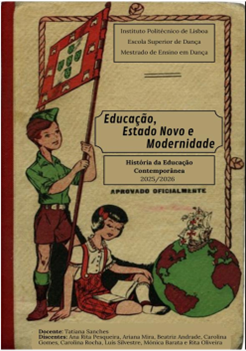
Figure 1. Example of cover (Textbook 3).
Content selection and organisation
Analysis of the manuals shows that all groups made deliberate choices about which historical and educational topics to highlight, often privileging broad movements and paradigmatic figures over detailed institutional history. This progression suggests an emerging awareness of the need to support pupils’ cumulative understanding, in line with design principles that emphasise clear goals, explicit structure and a move from simpler to more complex concepts. This finding resonates with Howard and Major’s (2004) view that structuring content with explicit progression is a core component of effective instructional design. However, some manuals still presented uneven coverage, dedicating greater space to certain periods or authors while treating others more briefly, which was noted in peer feedback as a potential limitation for curricular balance.
Language, didactic transposition, and activities
Students sought to adapt academic content into accessible language, using examples and questions addressed to pupils, reflecting an effort to adopt learners’ perspectives and connect educational history to school contexts. This process illustrates the didactic transposition described by Gabriela (2018) whereby complex disciplinary knowledge is re‑contextualised to meet learners’ developmental needs. The manuals included diverse activities, such as questions, research tasks, timelines, and discussion prompts, encouraging application and reflection, although peer feedback noted an overreliance on factual questions in some sections and the need for greater task diversity to promote higher-order thinking.
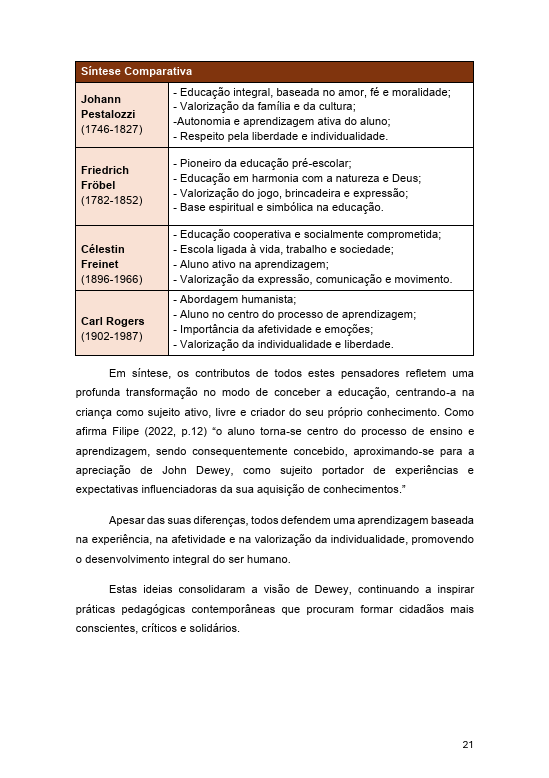
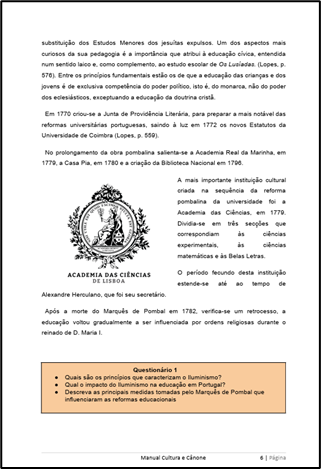
Figure 2. Examples of content organization with activities (Textbooks 1 & 2).
Visual and editorial choices
The three textbook covers reveal how groups chose to represent the identity and focus of their manuals. Visual elements such as images of schools, silhouettes of educators, or symbolic references to time (clocks, timelines) were used to signal both the educational and artistic dimensions of the course, thus anticipating the integration between general educational history and the specific field of dance. The groups adopted clear textbook-like layouts, using headings and highlighted elements to organise key ideas and activities [Fig. 2]. Peer feedback valued manuals that balanced visual appeal and readability, while noting that overly dense text or weak visual hierarchy hindered comprehension.
Peer feedback and perceived learning
The peer feedback provided insight
into students’ perceptions of the manuals and of their learning as
future teachers. Negatively, groups highlighted their
over-dimensioning, which hindered work organization, suggesting a
larger thematic subdivision and thus more groups with fewer people.
This excess of material may have prevented a more in-depth analysis.
Comments also highlighted strengths such as structural coherence,
clarity, and creative activities, alongside suggestions to clarify
learning objectives, improve alignment between texts and activities,
and adapt language to specific age groups. Peer review thus
functioned as a mechanism for collaborative knowledge construction
and reflective practice, consistent with Hattie’s (2015) findings
on the positive impact of feedback on learning. In their reflections,
students reported that designing a manual led them to think “as
teachers”, particularly when selecting essential content,
organising it, and anticipating pupils’ difficulties. This shift in
perspective aligns with research showing that assuming teacher‑like
roles enhances metacognitive awareness and professional identity
formation (Schneider & Preckel, 2017; Paniagua & Istance,
2018). Students’ reflections suggest that the task not only
required content mastery but also activated processes of anticipatory
pedagogical reasoning, such as selecting essential knowledge,
predicting learners’ difficulties, and aligning explanations with
instructional goals.
Finally, in a complementary task, the same
groups were asked to develop an assessment task—a knowledge test to
evaluate the students for whom the textbook was intended. The aim was
for students to conceive, apply, and critically analyze an assessment
instrument to validate the learning of each thematic unit proposed in
the textbook. This work aimed to develop skills in creating
assessment instruments, constructing answer keys, and critically
reflecting on the assessment process, focusing on learning the
content of Contemporary History of Education. Therefore, this
activity reinforced reflection on what is essential, which topics
should be considered important in learning, and how to proceed with
this assessment. The relationship between the prescription of content
and its understanding and appropriation was thus made possible, and
this analysis should be carried out in a specific study.
4. Conclusion
Using the construction of school textbooks as an active learning strategy enhances the meaningfulness of students’ learning experiences. The analysis of the textbooks and peer feedback indicates that the activity supported students’ consolidation of course content and fostered initial forms of pedagogical reasoning. While the evidence is primarily descriptive, students’ reflections suggest emerging gains in planning, organisation, and awareness of teaching demands. Despite differences in structure and pedagogical approaches, the manuals produced revealed more strengths than limitations, evidencing a solid appropriation of core course concepts. The peer review process promoted constructive dialogue and active participation, reinforcing students’ engagement. Overall, the activity objectives were achieved, confirming that future teachers respond positively to interactive methodologies. Although context-specific, the study underscores the relevance of active learning strategies in teacher education, particularly for fostering professional awareness and pedagogical competence among future dance teachers. Future research could further examine how such production tasks contribute to long‑term professional development in dance teacher education.
Acknowledgments
This work is funded by national funds through the Foundation for Science and Technology, under the project UID/00057/2025.
References
Aguirre Jr, D. (2015). Instructional materials development manual. Available at SSRN 2703250.
Astashina, M. S. (2019). The language course is not just a book. It is a complex set of educational components. Язык и текст, 6(4), 66-71.
Bal, M. S., & Bozkurt, N. (2021). Concept Teaching in a History Course: An Analysis of Secondary Education History Curriculum and Course Books in Turkey. Education Quarterly Reviews, 4.
Chepurna, L., Frolov, D., Stepanchenko, N., Zaplatynska, A., Genkal, S., & Tovstohan, V. (2022). Forming of school manual as a scientific problem in general and special psychopedagogy. Revista Romaneasca pentru Educatie Multidimensionala, 14(2), 513-538.
Christersson, C., & Staaf, P. (2019). Promoting active learning in universities: Thematic Peer Group Report. Learning & Teaching, Paper#5(January), 1–12. www.eua.eu
Clarke, S. (2012). Active Learning Through Formative Assessment. London: Hodder Education.
Danver, S. L. (2016). Active Learning. Em M. E. David & M. J. Amey (Eds.), The SAGE Encyclopedia of Online Education (pp. 76–78). https://doi.org/10.4135/9781483318332.n19
Gabriela, L. R. (2018). Current Considerations for Designing School Syllabi and Manuals. Annals Constantin Brancusi U. Targu Jiu Juridical Sci. Series, 115.
Hattie, J. (2015). The applicability of Visible Learning to higher education. Scholarship of Teaching and Learning in Psychology, 1(1), 79–91. https://doi.org/10.1037/stl0000021
Howard, J., & Major, J. (2004). Guidelines for designing effective English language teaching materials. The TESOLANZ Journal, 12(10), 50-58.
Meyers, C., & Jones, T. B. (1993). Promoting active learning: strategies for the college classroom. San Francisco: Jossey-Bass.
Paniagua, A., & Istance, D. (2018). Teachers as Designers of Learning Environments: The Importance of Innovative Pedagogies, Educational Research and Innovation. Em OECD Publishing. https://eric.ed.gov/?id=ED582804
Parkes, J., & Harris, M. B. (2002). The purposes of a syllabus. College teaching, 50(2), 55-61.
Sanches, T., & Paz, A. L. (2025). Student-Centred Pedagogies in Post-Bologna Higher Education: Research Trends from 2010 to 2020. Trends in Higher Education, 4(4), 61.
Schneider, M., & Preckel, F. (2017). Variables associated with achievement in higher education: A systematic review of meta-analyses. Psychological Bulletin, 143(6), 565–600.
Sinor, J., & Kaplan, M. (2010). Creating your syllabus. University of Michigan GSI Guidebook, 18-22.
Veiga, A., Sanches, T., & Alves, M. G. (2025). Pedagogical Training of Higher Education Teachers and its Effects: A Scoping Review. Sisyphus: Journal of Education, 13(2), 52-78.
Yin, R. K. (2009). Case Study Research: Design and Methods (4th ed.). SAGE.