Harnessing Flipped Learning and GenAI for Active Engagement in Higher Education
Flipping Education: Boosting Engagement and Performance
Harnessing Flipped Learning and GenAI for Active Engagement in Higher Education
Xiaoyu Luo1, Laura Zhou1, Julia Chen1, Chileka Chiyanika2, Kar Man Chu3, Tak Ho Lo2, Chi-Ming Wong2
1Educational Development Centre, The Hong Kong Polytechnic University, China, 2Department of Health Technology and Informatics, The Hong Kong Polytechnic University, China, 3Department of Applied Social Sciences, The Hong Kong Polytechnic University, China.
How to cite: Luo, X.; Zhou, L.; Chen, J.; Chiyanika, C.: Chu, K.M.; Lo, T.H.; Wong, C.M. (2026). Harnessing Flipped Learning and GenAI for Active Engagement in Higher Education. In: 12th International Conference on Higher Education Advances (HEAd’26). Valencia, 15-18 June 2026. https://doi.org/10.4995/HEAd26.2026.21651
Abstract
This study investigates the impact of the Flipped Learning and Teaching Initiative (FLTI) at The Hong Kong Polytechnic University, focusing on student engagement, satisfaction, and academic performance. By contrasting flipped classroom approaches with traditional teaching methods, the research reveals that students in flipped courses reported higher mean grades and greater engagement levels. Additionally, the study identifies barriers to the widespread adoption of flipped learning among both students and educators, underscoring the importance of targeted support and resources. The findings suggest that the flipped classroom model effectively promotes deeper understanding and critical thinking skills, ultimately contributing to better academic outcomes. These insights will inform future educational practices and pedagogical advancements within the institution.
Keywords: Flipped Learning; Student Engagement; Academic Performance
1. Introduction
Since its emergence as a transformative pedagogical model, flipped learning has fundamentally restructured the conventional classroom by relocating direct instruction outside of class time. This shift prioritizes active, collaborative engagement during synchronous sessions, fostering the critical thinking skills essential for lifelong learning (Baig & Yadegaridehkordi, 2023). However, institutional scaling of flipped learning remains complex, particularly within the specific cultural and structural contexts of higher education in Asia (Raby, 2023).
The recent integration of Generative AI (GenAI) offers a potential solution to long-standing barriers in flipped instruction. By providing personalized, adaptive learning experiences and automating content creation, GenAI can enhance student comprehension while reducing the preparatory burden on educators (Ekanayake & Silva, 2025; Wong et al., 2024). Despite these technological advancements, inadequate support systems often lead to cognitive overload for both learners and instructors, necessitating robust institutional frameworks to ensure sustainable adoption.
In response, The Hong Kong Polytechnic University launched the Flipped Learning and Teaching Initiative (FLTI). This initiative seeks to bridge the gap between pedagogical theory and practice by providing resources, fostering stakeholder collaboration, and integrating GenAI-enhanced tools to streamline the flipped transition. This paper evaluates the FLTI’s impact by assessing student and educator perceptions, identifying implementation barriers, and measuring academic outcomes. To guide this evaluation, the study addresses the following research questions:
RQ1: What are the primary perceptions of and barriers to flipped learning among students and educators in a Hong Kong higher education context?
RQ2: Is there a statistically significant difference in academic performance between students in flipped classroom environments compared to those in traditional lecture-based environments?
RQ3: To what extent do institutional support mechanisms and Generative AI tools facilitate the adoption of flipped learning among faculty?
2. Methods
This study employed a multi-phase, mixed-methods approach at The Hong Kong Polytechnic University to evaluate the Flipped Learning and Teaching Initiative (FLTI). The research design integrated quantitative surveys and qualitative interviews to assess the transition from traditional to flipped classroom environments. In the initial baseline phase (November 2023), online surveys were distributed to 645 students (92 postgraduate, 553 undergraduate) and 89 teachers to identify existing experiences and perceived barriers. All perception-based items were measured using a 5-point Likert scale (1 = Strongly Disagree to 5 = Strongly Agree). To deepen the understanding of successful implementation, semi-structured interviews were conducted with 24 educators nominated by students for their exemplary flipped teaching strategies.
The second phase involved a large-scale post-implementation evaluation comparing two cohorts: students enrolled in flipped classroom courses (N = 4,991) and those in traditional lecture-based courses (N = 4,912). Data collection included academic performance scores and Student Feedback Questionnaires (SFQ). Quantitative data were analyzed using SPSS (v.28), employing independent samples t-tests to compare mean grades and Structural Equation Modeling (SEM) to examine the relationships between engagement and satisfaction.
The analysis was theoretically framed through the Technology Acceptance Model (TAM), specifically focusing on how the "Perceived Usefulness" and "Perceived Ease of Use" of Generative AI (GenAI) tools and Learning Activity Management Systems (LAMS) influenced both student engagement and faculty adoption rates (Marikyan & Papagiannidis, 2025). Qualitative data from interviews and open-ended survey responses underwent thematic analysis to identify recurring challenges, such as time constraints and technical support requirements, which informed the development of institutional resources and professional development workshops.
3. Results
3.1. Student Perceptions and Barriers to Flipped Learning
To address the first research question (RQ1), a baseline study was conducted to evaluate initial student readiness. The data revealed that 59.6% of students had prior exposure to flipped learning, with a significant majority demonstrating a clear grasp of its principles. Specifically, 77% of undergraduate participants (Figure 1) and 74% of postgraduate participants (Figure 2) expressed a strong belief that flipped classrooms could enhance their learning outcomes. This sentiment aligns with constructivist learning theory, which posits that active engagement leads to deeper comprehension. Furthermore, 78% of students endorsed the model as a catalyst for active learning and critical thinking.
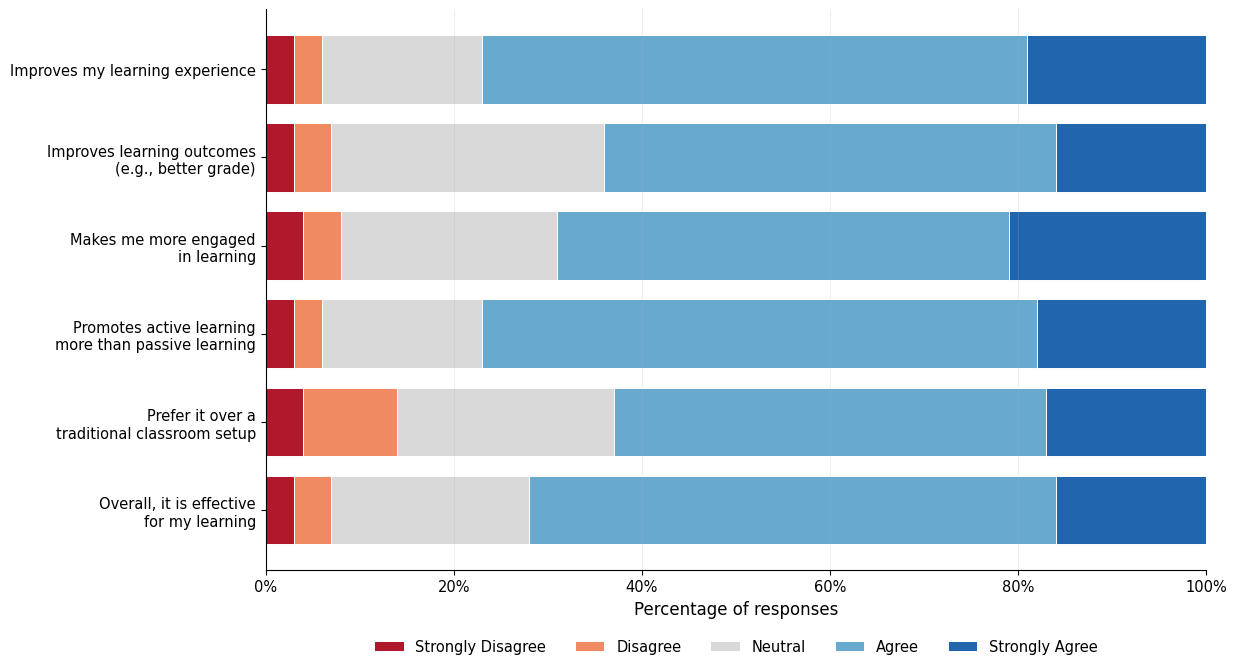
Figure 1. Undergraduate student responses on flipped classroom approach by degree level.
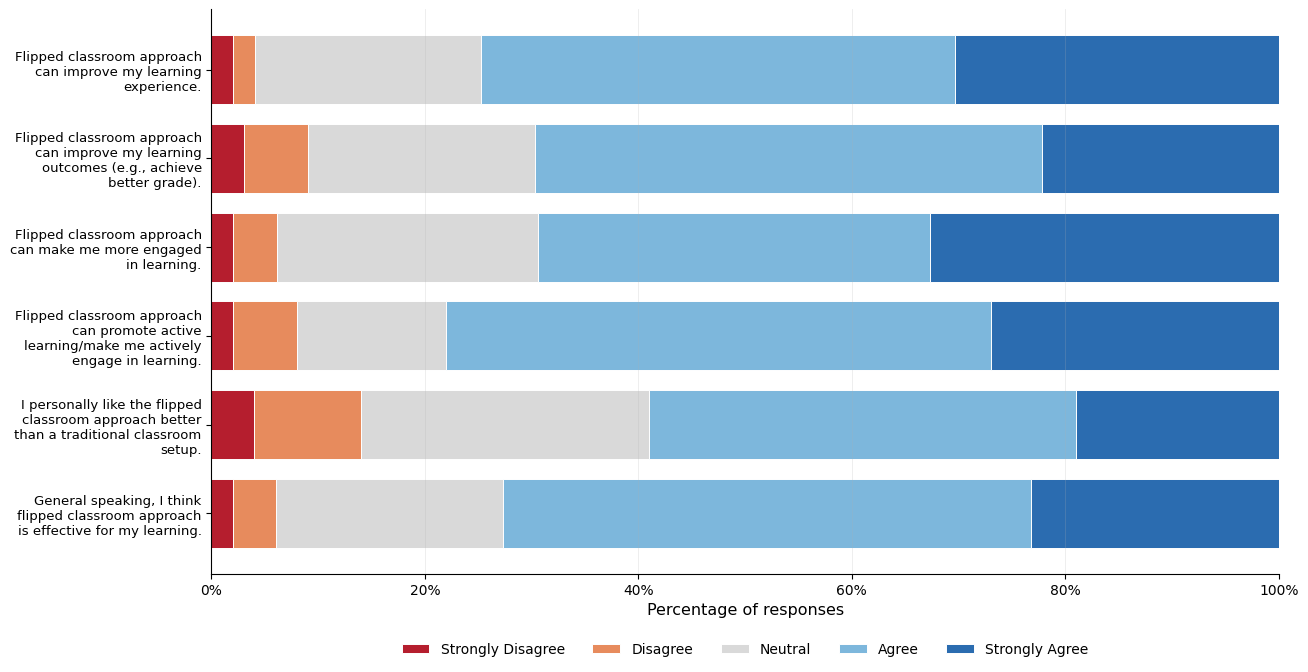
Figure 2. Postgraduate student responses on flipped classroom approach by degree level.
Despite these positive perceptions, several barriers were identified. Students reported significant challenges in completing pre-class assignments due to low motivation, inadequate time management, and competing academic responsibilities. This lack of immediate support often led to feelings of unpreparedness during in-class activities, highlighting a gap in the "Zone of Proximal Development" where learners require more structured guidance to bridge the gap between independent study and collaborative application (McLeod, 2024).
3.2. Challenges Faced by Educators in Flipped Teaching and Proposed Solutions
In further exploring RQ1, the study identified that educators face parallel hurdles. While the pedagogical benefits are acknowledged, ensuring consistent student engagement remains a primary challenge. A critical finding from the teacher interviews was that over 90% of educators admitted they seldom verified whether students actually engaged with pre-class materials before the synchronous session. This "readiness gap" complicates the transition to a truly flipped environment, as instructors often feel compelled to revert to traditional lecturing to compensate for unprepared students. These findings informed the creation of targeted resources disseminated via university newsletters and webpage (The Hong Kong Polytechnic University - Flipped Learning and Teaching Initiative, 2025) to provide educators with practical strategies for pre-class accountability.
3.3. Comprehensive Support for Educators
Addressing RQ3, the FLTI established a foundational support system to scale flipped learning across the institution. This systemic approach leverages the TAM by focusing on the "Perceived Usefulness" of the methodology. By routinely interviewing experienced educators and sharing "best practices" through monthly newsletters, the initiative fostered confidence among faculty who were previously skeptical of the model’s efficacy in their specific disciplines. Flexible online courses and hands-on workshops were also provided, ensuring that educators—regardless of their career stage—felt equipped to handle the pedagogical shift.
3.4. Fostering Collaboration and Community
The integration of technology is a central component of RQ3. Through local and international sharing series, the initiative highlighted how Generative AI (GenAI) tools can alleviate the preparatory burden on educators. From a TAM perspective, this directly improves the "Perceived Ease of Use" of the flipped model. Faculty members demonstrated that GenAI could be used to efficiently produce pre-class videos and lecture summaries, significantly reducing the "time-cost" barrier that often prevents flipped adoption. Other innovative methods, such as utilizing the metaverse for immersive engagement, were also explored to provide practical, scalable solutions to common pedagogical obstacles.
3.5. Creating a Supportive Institutional Culture
Sustainable institutional change requires a shared vision across all university levels. The establishment of a Steering Group on Flipped Learning Implementation—comprising the Director of Education Development, Associate Heads, and frontline educators—served as a vital link between senior management and the teaching community. This top-down support, combined with bottom-up innovation, created a culture where faculty felt empowered to experiment with new methodologies. The initiative has since generated significant interest, evidenced by a marked increase in awareness and faculty-led submissions for flipped learning grants.
3.6. Empowering Educators with Advanced Tools
To further bolster technical proficiency, professional development workshops addressed common technical anxieties. Experts introduced AI-driven video production platforms and virtual reality (VR) tools, such as interactive anatomy lessons. Participants were provided with necessary hardware and trial subscriptions, ensuring they could immediately integrate these tools into their curricula. Feedback (Figure 3) was overwhelmingly positive; participants credited the success of these sessions to the "peer-to-peer coaching" model, which provided authentic, practical insights rather than purely theoretical instruction.
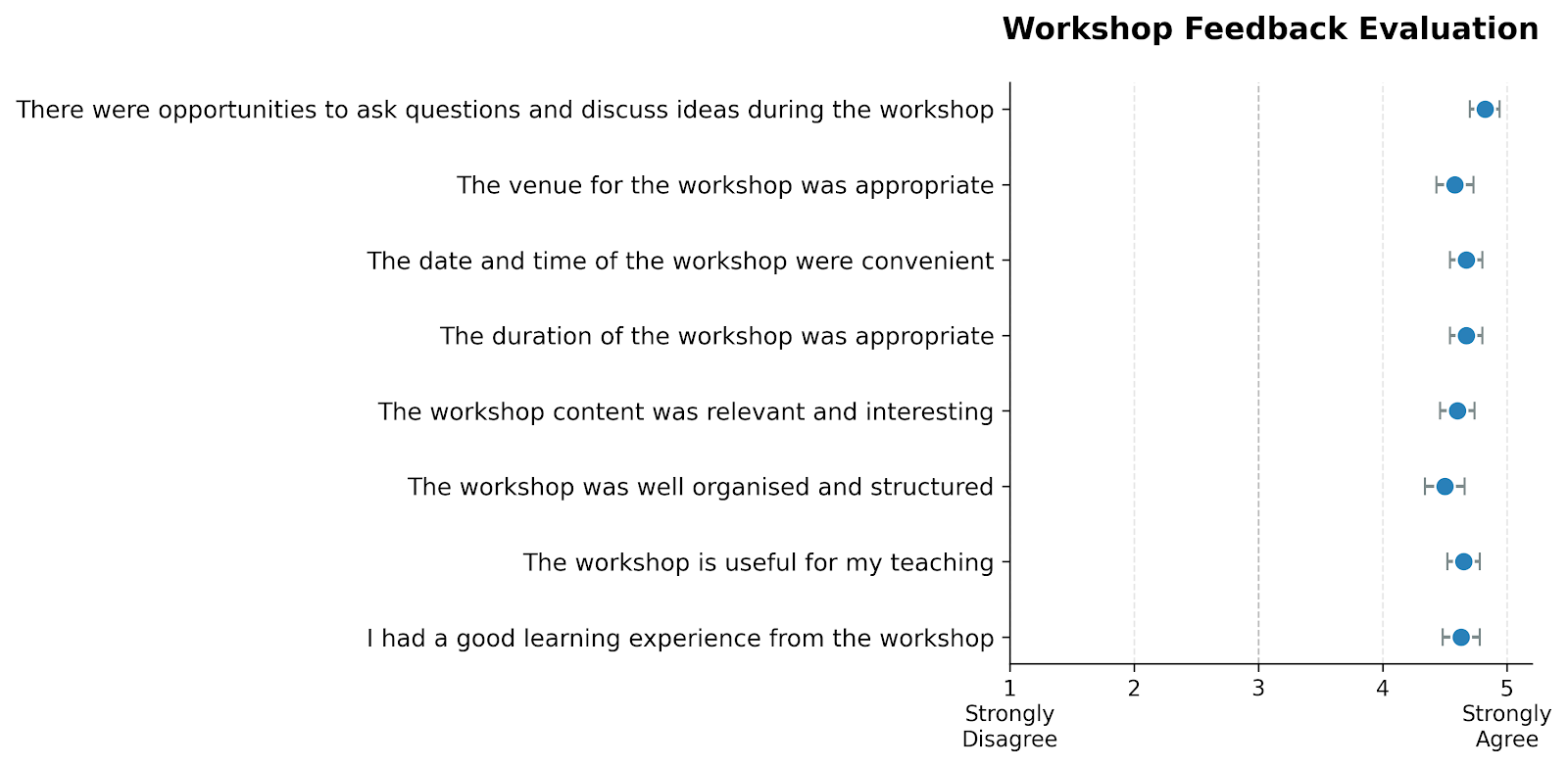
Figure 3. Feedback from participants on workshops organized.
3.7. Post-Survey Analysis of Student Perceptions and Academic Performance
The post-survey data provided a comparative evaluation of teaching effectiveness and academic outcomes between the flipped classroom and traditional lecture-based cohorts. While the quantitative ratings for perception remained high across both groups, the data revealed critical nuances in how the flipped model influences the student experience
3.7.1. Achievement of Learning Outcomes
Students in the flipped classroom (N=1,009) reported a mean score of 4.41±0.024, compared to 4.40±0.026 in the traditional group (N=916). Although the difference was not statistically significant (p=0.745), the results indicate a consistent perception that flipped activities—which emphasize pre-class preparation and in-class application—effectively support the attainment of subject learning outcomes.
3.7.2. Engagement in Active Learning
The flipped learning group (N=1,070) recorded a mean of 4.28±0.026, while the traditional group (N=899) reported 4.47±0.027. While both means remained exceptionally high (above 4.2), the lack of statistical significance (p=0.941) suggests that active engagement is driven more by the quality of instructional design and student-teacher interaction than by the delivery format alone. This finding underscores that high-quality teaching can sustain motivation in both traditional and flipped environments.
3.7.3. Overall Satisfaction with Learning Experience
Overall satisfaction scores reflected a slight preference for the flipped format, with a mean of 4.31±0.025 compared to 4.29±0.026 in the traditional cohort (p=0.659). These results confirm that the flipped model maintains a high standard of student satisfaction while simultaneously encouraging greater learner autonomy and self-paced engagement with the course material.
3.7.4. Academic Performance Comparison
The most definitive answer to RQ2 was found in the academic performance data (Figure 4). Students in the flipped courses (N=4,991) achieved a mean grade of 3.009±0.0117 (SEM), whereas students in the traditional version of the same courses (2.880±0.0128 (SEM). The mean difference of 0.129 was statistically significant (t=7.472, p<0.001). This significant improvement underscores the effectiveness of the flipped learning model in fostering deeper conceptual understanding and higher-order cognitive mastery.
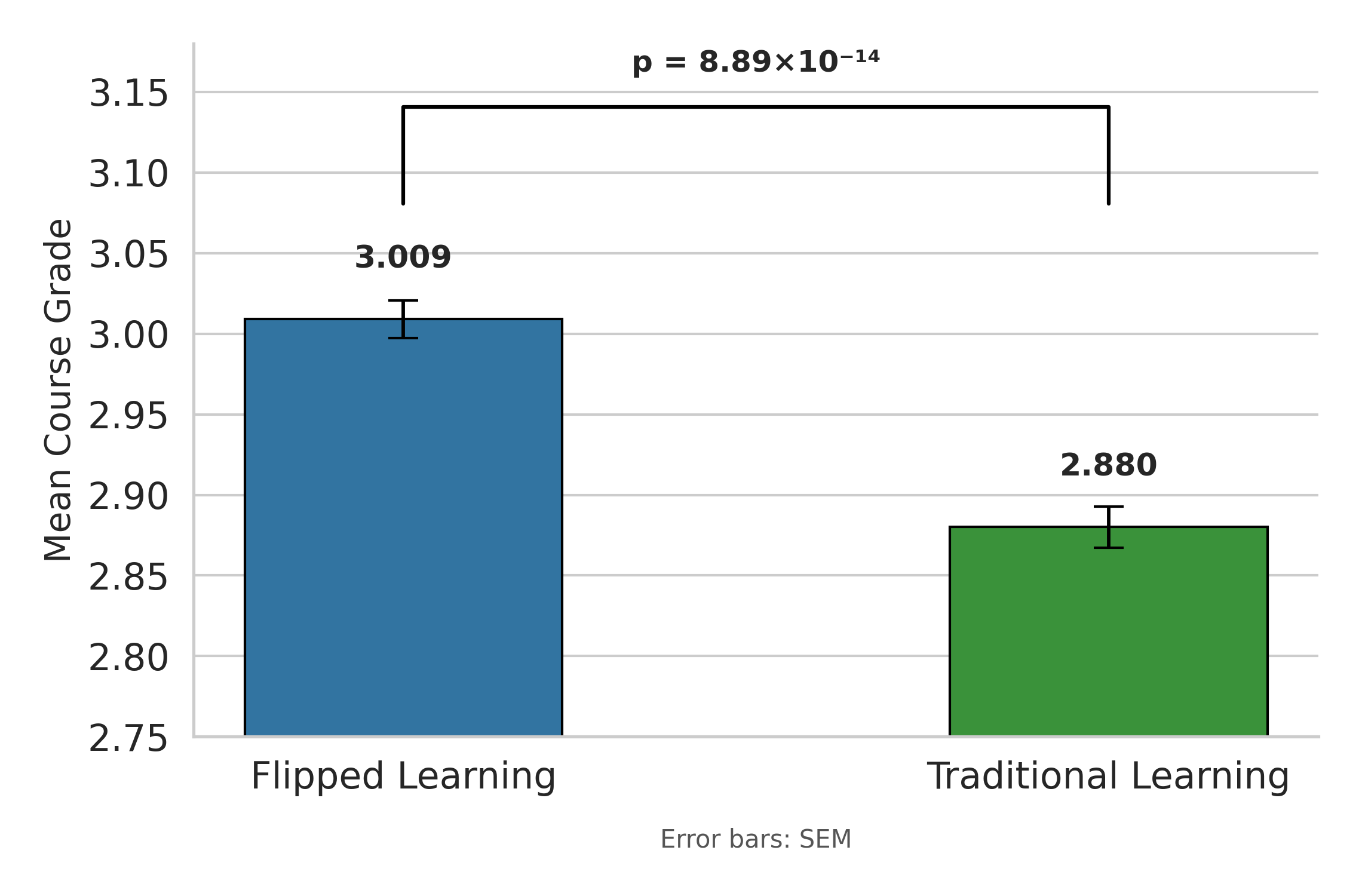
Figure 4. Effect of Flipped Learning on Course Grades
4. Discussion
4.1. Student and Educator Barriers (Addressing RQ1)
The baseline data provided a clear answer to RQ1 regarding the primary barriers to flipped learning. While students perceive the model as beneficial for active learning, their actual engagement is hindered by behavioral challenges such as low motivation and poor time management. This suggests that the "flipped" nature of the course requires a higher level of student self-regulation than traditional models. For educators, the primary barrier was the lack of "readiness" among students, which often discouraged teachers from fully committing to in-class active learning. These findings imply that the success of a flipped classroom depends not just on the delivery of materials, but on structured guidance that helps students navigate the pre-class phase.
4.2. Impact on Academic Performance (Addressing RQ2)
In response to RQ2, the most compelling evidence for the flipped model is the statistically significant improvement in academic performance (p<0.001). The mean grade increase of 0.129 (Figure 4) suggests that the flipped approach is more effective than traditional lectures for promoting conceptual mastery. By moving the "transmission of knowledge" to the pre-class phase, students were able to use synchronous time for higher-order cognitive tasks—such as analysis and synthesis—which are more closely aligned with university-level assessment criteria. This confirms that the flipped model, when executed at scale, translates to tangible academic gains.
4.3. The Role of GenAI and Institutional Support (Addressing RQ3)
Addressing RQ3, the results highlight how institutional support and technology facilitate pedagogical change. Using the Technology Acceptance Model (TAM) as a lens, we can interpret the high faculty adoption rates through two factors:
1. Perceived Usefulness: The FLTI’s sharing sessions and newsletters demonstrated the effectiveness of the model, convincing skeptical faculty that flipping their classroom would lead to better student outcomes.
2. Perceived Ease of Use: The introduction of GenAI tools was pivotal. By automating time-consuming tasks like video production and note generation, GenAI lowered the technical "cost" of flipping a course.
When the perceived effort decreases (via AI) and the perceived value increases (via institutional evidence), faculty are significantly more likely to adopt new methodologies. Thus, the FLTI’s success was not just pedagogical, but also a successful application of technology-driven change management.
5. Limitations
While this study provides robust evidence for the benefits of the FLTI, several limitations remain. First, being conducted at a single institution may limit the generalizability of the findings to different cultural or educational contexts. Second, the reliance on self-reported survey data introduces potential response bias, although the large sample size and independent collection method mitigate this risk. Third, the cross-sectional design restricts the ability to draw definitive causal inferences between the flipped model and academic outcomes. Finally, external variables—such as individual student motivation and varying levels of faculty technical proficiency—were not fully controlled. Future longitudinal research involving multiple institutions is recommended to validate these findings and explore the long-term sustainability of AI-enhanced flipped learning.
6. Conclusion
This study evaluated the Flipped Learning and Teaching Initiative (FLTI) at The Hong Kong Polytechnic University, providing empirical evidence for the effectiveness of flipped pedagogical models enhanced by GenAI. By addressing the research questions established at the outset, several key conclusions can be drawn:
First, regarding RQ1 (Perceptions and Barriers), the study concludes that while a vast majority of students (over 74%) recognize the value of flipped learning for active engagement, significant behavioral barriers remain, particularly concerning pre-class motivation and time management. For educators, the primary barrier was the "cost" of preparation, which often deterred the transition from traditional lecturing.
Second, in response to RQ2 (Academic Performance), the statistical analysis confirms a significant positive impact. The flipped learning cohort achieved a statistically higher mean grade (3.009) compared to the traditional cohort (2.880), with a significant p-value (< 0.001). This allows us to conclude that the flipped model, when properly supported, directly translates to superior conceptual mastery and higher-order cognitive gains.
Third, concerning RQ3 (Institutional Support and GenAI), the findings highlight the critical role of technology in lowering adoption barriers. By applying the TAM, we conclude that the integration of GenAI tools significantly increased the "Perceived Ease of Use" for faculty. By automating time-consuming tasks like video production and feedback generation, these tools addressed the educators' primary concerns regarding workload, thereby facilitating a sustainable shift in teaching culture.
In summary, the FLTI has demonstrated that the combination of institutional support, GenAI integration, and active learning methodologies creates a more effective educational environment. While student satisfaction remained high across both models, the measurable academic gains in the flipped classroom justify its continued expansion. Future research should focus on longitudinal data to ensure these performance gains are sustained across multiple academic years.
Acknowledgments
We thank our colleagues who generously shared their teaching experiences during the interviews and workshops. This study was supported by the Hong Kong Polytechnic University Teaching Grants and the Fund for Innovative Technology-in-Education (FITE/01). The project has been approved by the Institutional Review Board of The Hong Kong Polytechnic University (HSEARS20230812001).
References
Baig, M. I., & Yadegaridehkordi, E. (2023). Flipped classroom in higher education: a systematic literature review and research challenges. International Journal of Educational Technology in Higher Education, 20(1), 61.https://doi.org/10.1186/s41239-023-00430-5
Chen, J., Wong, C., & Zhou, L. (2025). Tips for embedding flipped learning at an institutional level. Times Higher Education. Retrieved October 23, 2025, from https:// www.timeshighereducation.com/campus/tips-embedding-flipped-learning-institutional-level
Ekanayake, N. P. K., & Silva, N. K. L. (2025). Reimagining the flipped classroom: Integrating AI, microlearning, and learning analytics to elevate student engagement and critical thinking. Faculty Focus. Retrieved October 23, 2025, from https://www.facultyfocus.com/ articles/blended-flipped-learning/reimagining-the-flipped-classroom-integrating-ai-microlearning-and-learning-analytics-to-elevate-student-engagement-and-critical-thinking/
Flipped Learning and Teaching Initiative. (2025). Retrieved October 23, 2025, from https://www.polyu.edu.hk/flti/?sc_lang=en
Marikyan, D.& Papagiannidis, S. (2025) Technology Acceptance Model: A review. In S. Papagiannidis (Ed), TheoryHub Book.
McLeod, S. (2024, May 1). Zone of proximal development and scaffolding. Simply Psychology. https://www.simplypsychology.org/zone-of-proximal-development.html
Raby, A. (2023). An exploration of the relationships between Chinese students and their personal tutors: An IPA study (Doctoral dissertation, School of Education, College of Arts, Social Sciences and Humanities).
Wong, C.-M., Zhou, L., Patel, M., Xu, M., & Tang, Y.-M. (2024). Harnessing the power of cutting-edge technologies in flipped learning: A paradigm shifts in university education after post-COVID-19 era. In 10th International Conference on Higher Education Advances (HEAd’24) (pp. 1–10). Valencia. https://doi.org/10.4995/HEAd24.2024.17