Developing an Evidence-Informed Framework for First Tutor-Marked Assignment Support in Distance Higher Education
First Tutor-Marked Assignment Support in Distance Higher Education
Developing an Evidence-Informed Framework for First Tutor-Marked Assignment Support in Distance Higher Education
Felipe Tessarolo
 ,
Christothea Herodotou
,
Emily Coughlan
Institute of Educational Technology, The Open University, United Kingdom.
How to cite: Tessarolo, F.; Herodotou, C.; Coughlan, E. (2026). Developing an Evidence-Informed Framework for First Tutor-Marked Assignment Support in Distance Higher Education. In: 12th International Conference on Higher Education Advances (HEAd’26). Valencia, 15-18 June 2026. https://doi.org/10.4995/HEAd26.2026.21665
Abstract
This paper introduces the First TMA Intervention Framework, a practice-informed model for supporting students during their first tutor-marked assignment (TMA) in distance higher education. Developed through a narrative institutional review of 93 documented interventions and practices, the framework maps institutional and tutor-led support to 12 critical checkpoints across the first assignment lifecycle, from early engagement and preparation to feedback and post-assessment reflection. Drawing on institutional data and practitioner insight, the framework offers a structured and transferable way to analyse and organise first-assignment support practices.
Keywords: Distance education; assessment support; tutor-marked assignments; learning analytics; evidence-informed practice.
1. Introduction
The first assignment is an important transition point for students entering distance higher education. Evidence shows that failure to submit or pass the first marked assignment is a strong predictor of subsequent withdrawal or continuation, making this stage a critical determinant of whether students carry on studying or disengage (Wolff et al., 2014). Students must adapt quickly to academic expectations, assessment demands, and independent study, often alongside external pressures such as work and caregiving responsibilities. These conditions make early and structured support particularly important.
To address these challenges, the First Tutor-Marked Assignment (TMA) Intervention Framework was developed as a practice-informed response, drawing on documented support initiatives within a large distance learning institution. The framework identifies 12 checkpoints across the first assignment lifecycle, spanning early preparation, emerging risk, submission, feedback, and recovery. It was developed through a review of support strategies across four faculties, which indicated that provision was often dispersed, faculty-specific, and incremental, without a clear lifecycle perspective on how interventions aligned with assignment submission and follow-up. As a result, support may become concentrated around submission, with comparatively less attention given to post-submission feedback and recovery, despite their importance for progression into subsequent assignments.
2. Literature Review
2.1. Early disengagement and withdrawal around the first assignment
The first assignment is a critical transition point in distance learning, where early withdrawal is common (Simpson, 2013; Tresman, 2002). Students often struggle with academic expectations, unfamiliar assessment practices, and independent study, sometimes alongside work or caregiving responsibilities (Simpson, 2012). Difficulties with academic literacy, time management, and assignment requirements further increase the risk of non-submission and dropout (Simons et al., 2018). A systematic review by Rahmani et al. (2024) highlights academic preparedness, access to support, and personal circumstances as major contributors to early withdrawal during this formative stage.
2.2. Distributing support across the first assignment lifecycle
Studies underscore the need for structured, timely support throughout the first assignment lifecycle, as student success relies on targeted interventions at key stages such as orientation, assignment preparation, and feedback (Simpson, 2013; Tresman, 2002). Proactive support, like motivational outreach, boosts confidence and reduces early-stage dropout by addressing challenges before they escalate, while reactive interventions remain crucial in addressing unforeseen difficulties (Simpson, 2013). Within this broader distribution of support, feedback should be understood as part of an ongoing process rather than a discrete event, requiring practices that enable students to interpret and use feedback in subsequent study (Carless, 2013).
2.3. Identification of student support needs before they fail
Evidence-informed support, especially through learning analytics, helps identify at-risk students before they fail and enables timely and proactive interventions by tutors during the critical early weeks of study (Herodotou et al., 2019a; 2019b). However, predictive models have limitations, as contextual factors such as work or caregiving responsibilities are not always captured, requiring the integration of human judgement to interpret data and tailor support (Hlosta et al., 2022). Within this context, predictive tools such as the Early Alert Indicators Dashboard (EAID) support the identification of at-risk students and inform targeted tutor intervention.
Taken together, the literature identifies the first assignment as a critical phase in distance learning and supports the need to distribute interventions across the assignment lifecycle rather than concentrate them at isolated moments. It also highlights the importance of combining proactive support with predictive analytics, alongside human judgement, to enable timely and context-sensitive intervention at scale. These insights inform the design of the First TMA Intervention Framework, which organises support around key intervention points across the first assignment cycle.
3. Methodology
Research Design: This study adopts a narrative case-study review to explore where structured institutional and tutor-led interventions support distance learning students during their first assignment. Rather than conducting a comprehensive systematic review, the focus is on synthesising evidence from documented intervention cases within a single institution that can inform the development of a practice-based, evidence-informed framework.
The methodological emphasis is on understanding how first-assignment support mechanisms are enacted and how they address critical moments in the early assessment journey. The study brings together formal institutional initiatives and informal pedagogical practices to examine how early assessment support is structured and implemented.
Data Sources: The First TMA Intervention Framework draws on quantitative and qualitative evidence gathered from the following institutional sources. A structured review was conducted of formal institutional projects and documented enhancement practices aimed at improving first-assignment performance, student retention, or feedback mechanisms. In addition, informal tutor-led practices were reviewed, including proactive contact with students, motivational communication, personalised guidance, and timely feedback. Insights from academic and professional staff were also incorporated to contextualise how interventions are implemented in practice.
Interventions were identified through a structured multi-source process, drawing on institutional records, internal reports, and documented initiatives across multiple academic units, complemented by staff consultation where needed. Interventions were included if they focused on the first TMA or early assessment stages, aimed to influence submission, retention, or feedback mechanisms, and provided sufficient detail for systematic comparison. Interventions unrelated to early assessment or lacking adequate documentation were excluded.
All identified activities were consolidated into a single dataset of 93 interventions. These included both formal institutional initiatives (n=28) and smaller-scale or practitioner-led practices (n=65), with overlapping cases removed or merged to ensure consistency in analysis.
Analysis and Synthesis: The development of the framework involved a qualitative synthesis of institutional projects and tutor-led practices, supported by a structured comparative matrix. Each intervention was documented using a consistent set of analytical dimensions, including timing within the assessment cycle, proactive or reactive orientation, intended aim, target group, delivery method, and reported outcomes.
Interventions were considered relevant for inclusion based on the availability of reported outcomes and their practical relevance within the institutional context, particularly their potential to support student progression, submission, or feedback processes across the first assignment lifecycle. This included interventions reporting measurable outcomes (e.g. submission or progression rates) as well as those identified as pedagogically valuable in documented practice. These dimensions enabled systematic comparison across cases, examining how different forms of support were structured, delivered, and targeted at specific stages of the assignment lifecycle.
This process allowed the identification of recurring patterns, shared characteristics, and gaps in existing support provision, with particular attention to the distinction between proactive interventions designed to anticipate challenges and reactive interventions introduced in response to difficulties. These patterns in timing, purpose, and delivery of interventions formed the basis for defining 12 distinct checkpoints across the assignment lifecycle. Interventions were further considered in relation to their scope, method of delivery, and the stage of the assignment process they addressed, enabling the organisation of practices around key moments within the first assignment cycle.
4. Development of the First TMA Intervention Framework
4.1. Identifying Key Checkpoints
The development of the First TMA Intervention Framework began with the identification of critical points within the lifecycle of the first tutor-marked assignment. The review of institutional interventions and practice-based evidence revealed that interventions were provided at different points of time in the lifecycle of assignment submission. Rather than treating support as a series of isolated actions, these moments were conceptualised as institutional checkpoints, distinct yet interconnected points along the assessment timeline. The following core checkpoints were identified:
Early weeks of study and pre-assignment preparation focus on supporting students’ transition into distance higher education by clarifying academic expectations, establishing study routines, and reducing early uncertainty around assessment requirements.
Identification of emerging risk operates as a dynamic and responsive checkpoint, drawing on engagement indicators, predictive tools, and tutor observations to enable timely, targeted support without framing risk as a fixed student characteristic.
Missed TMA submission, feedback engagement, and post-assignment reflection and recovery address continuity beyond submission, combining re-engagement strategies, structured feedback support, and guided reflection to help students interpret feedback, recover from setbacks, and progress into subsequent assignments.
Together, these checkpoints reflect the evolving support needs of distance learning students across the first TMA cycle, aligned with the assessment timeline represented in the framework.
4.2. Mapping Interventions to Checkpoints
In addition, the analysis of the reviewed interventions revealed that they were either proactive or reactive, that is, they were provided before the assignment submission or after the assignment was marked and student outcomes were known. Proactive interventions are designed to anticipate challenges before they escalate. Examples include structured induction activities, targeted communications during the early weeks of study, assessment preparation guidance, and the use of engagement dashboards to inform timely support.
Reactive interventions respond to observed difficulties, such as missed submissions or limited engagement with feedback. These typically involve personalised tutor outreach, follow-up support sessions, or targeted guidance to support recovery and re-engagement. The mapping exercise suggested a greater emphasis on interventions related to pre-assignment preparation and feedback engagement within the reviewed practices. In contrast, support at points such as missed submission and post-assignment reflection appeared less consistently structured, reinforcing the value of a checkpoint-based framework for highlighting under-supported stages.
4.3. The First TMA Intervention Framework
The outcome of this process was the development of the First TMA Intervention Framework, a structured, practice-informed model that aligns institutional interventions with key checkpoints across the first assignment lifecycle. As illustrated in Figure 1, the framework provides a visual representation of how support operates longitudinally, from the start of a course through to post-assignment recovery, rather than being confined to isolated moments of difficulty.
Core structure: The framework integrates the identified checkpoints into a coherent, cyclical model. This structure reflects the reality that early experiences influence later outcomes, and that support must be sustained across the assessment cycle.
Transversal enabling practices: The framework also makes visible the role of transversal practices, such as engagement dashboards, assessment design strategies, and ongoing module content revision, which operate across multiple checkpoints rather than at a single point in time. These practices provide the institutional conditions that enable effective intervention.
Practical implications: By formalising checkpoints and their associated support strategies, the framework offers a shared reference point for tutors, course teams, and institutional planners. It supports greater alignment, consistency, and visibility in early-stage student support, while also helping to identify under-supported stages that may benefit from further strategic attention.
Overall, the framework promotes a balanced institutional approach that combines proactive and reactive support, positioning the first TMA not as a single assessment event, but as a critical developmental process within the wider student journey. Figure 1 presents a visual synthesis of the First TMA Intervention Framework, illustrating how checkpoints, transversal practices, and support strategies unfold across the first assignment lifecycle.
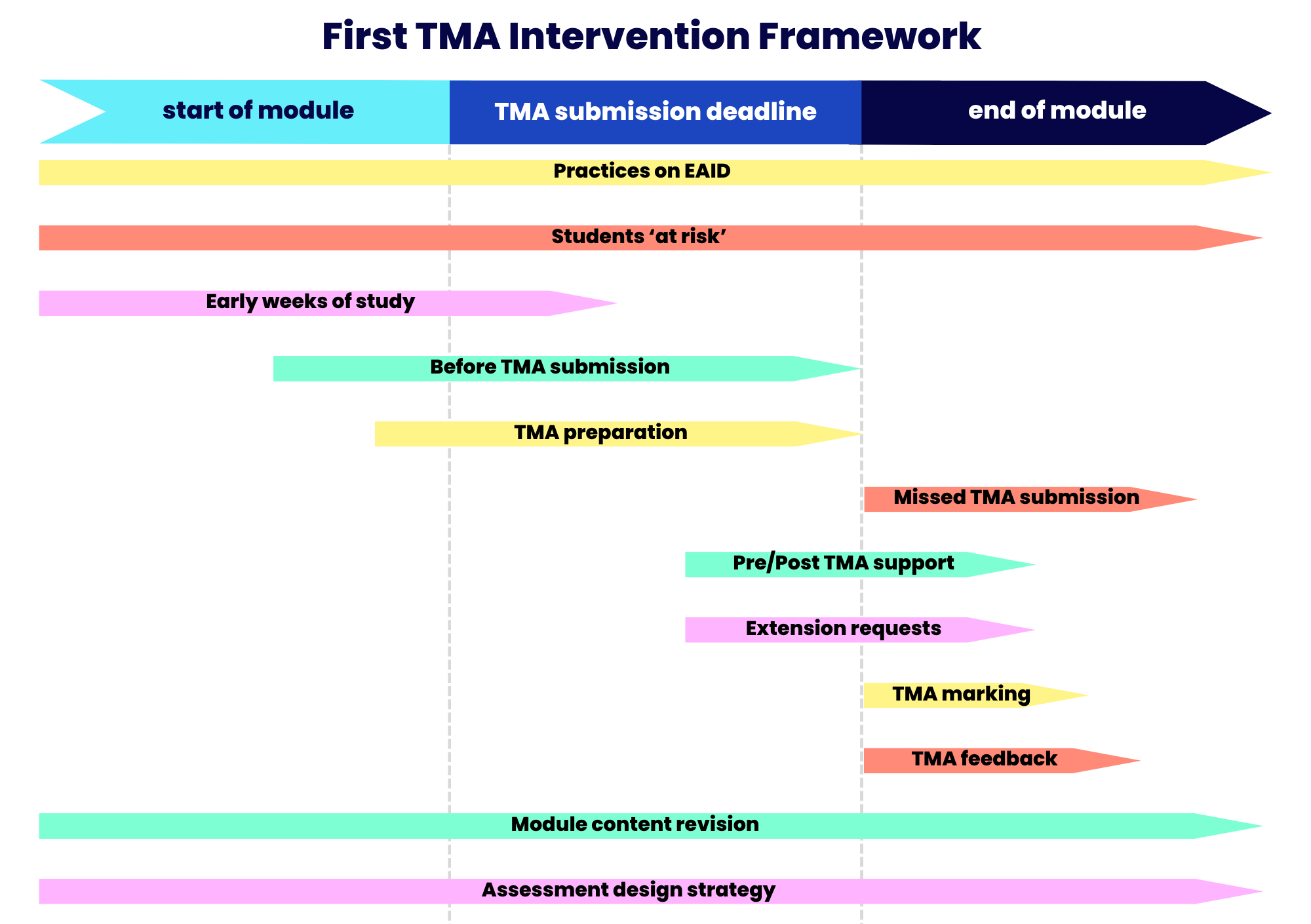
Figure 1. The First TMA Intervention Framework.
5. Discussion
The framework reframes assessment support as a process-oriented, longitudinal system rather than a set of isolated responses to student difficulty. Existing literature and practice typically address support in relation to specific activities or stages, such as feedback delivery or post-deadline support (Carless, 2013; Simpson, 2013), whereas the First TMA Intervention Framework organises interventions across the first assignment lifecycle, from early engagement and preparation to feedback engagement and post-assignment recovery, enabling a more integrated view of how support is distributed across the first assignment cycle.
It also foregrounds the role of initial checkpoints, particularly the early weeks of study, pre-assignment preparation, and the identification of emerging risk. Positioning these checkpoints explicitly within the assessment lifecycle makes visible forms of support that occur before formal assessment submission, including induction, study skills, and assessment guidance, which are often discussed separately rather than as part of a coherent support process.
Another insight concerns the relationship between institutional mechanisms and local pedagogical practice. The framework illustrates how data-driven approaches and institution-level arrangements, such as engagement dashboards and assessment design strategies, can coexist with tutor-led practices without privileging one over the other. Rather than proposing a hierarchy of support, the model emphasises how different forms of intervention operate in relation to one another within the assessment lifecycle, while tutors retain a central role in contextual interpretation and student-facing support. This relationship can be understood as an integration of learning analytics and human judgement, where predictive indicators inform, but do not replace, the contextual interpretation and decision-making of tutors.
Although grounded in the analysis of institutional practices within a specific distance education context, the framework is designed to be analytically transferable. The checkpoints are defined at a level of abstraction that allows the framework to be used as a conceptual lens for examining first-assignment support across different open and distance learning institutions. In this sense, the model offers a shared vocabulary for describing, comparing, and reflecting on how assessment support is organised across early stages of the student journey.
While grounded in a large-scale distance learning context, the framework may require adaptation in settings with limited analytics, fewer tutors, or reduced support infrastructure. In such contexts, checkpoints can be operationalised through simpler monitoring, alternative communication strategies, or redistributed support roles. The framework is therefore intended as an adaptable analytical lens rather than a directly transferable model.
6. Conclusion and Implications
This article introduces the First TMA Intervention Framework as a practice-informed model for organising and analysing assessment support in distance higher education. By conceptualising support as a sequence of institutional checkpoints across the first assignment lifecycle, the framework provides a structured alternative to fragmented approaches to student support.
Implications for practice
For course teams, the framework highlights the importance of aligning assessment design, learning activities, and support mechanisms from the outset of a course. Making early checkpoints explicit can inform decisions about workload, assessment clarity, and the timing of preparatory activities.
For tutors, the model offers a shared structure for understanding when and how different forms of support are most impactful. It reinforces the value of early, proactive engagement while situating reactive interventions, such as responses to missed submissions, within a broader recovery process rather than as isolated events.
For students, the framework contributes to making the assessment process more transparent and structured, helping to clarify expectations at different stages of the first assignment lifecycle. By aligning support with key checkpoints, students are more likely to receive timely and continuous guidance, reducing uncertainty and supporting more effective engagement with both assessment preparation and feedback.
At the level of institutional governance, the framework provides a tool for reviewing the distribution of support across the assessment lifecycle. By making visible where interventions are concentrated or absent, it can inform strategic decisions about resource allocation, policy development, and the integration of learning analytics with human-centred support practices.
Future directions
Future research could test the framework by examining how proposed support interventions and their timing influence student assignment preparation, submission and progression across subsequent assessments. Of interest would also be an understanding of how these interventions/timings are perceived by different student demographics and whether taken together can effectively support an inclusive study culture. Further work may also explore its application across different faculties or disciplines, as well as cross-institutional comparisons to assess its transferability and robustness in diverse distance education contexts.
References
Carless, D. (2013). Trust and its role in facilitating dialogic feedback. In D. Boud & E. Molloy (Eds.), Feedback in higher and professional education (pp. 90–103). Routledge.
Herodotou, C., Hlosta, M., Boroowa, A., Rienties, B., Zdrahal, Z., & Mangafa, C. (2019a). Empowering online teachers through predictive learning analytics. British Journal of Educational Technology, 50(6), 3064-3079.
Herodotou, C., Rienties, B., Boroowa, A., Zdrahal, Z., & Hlosta, M. (2019b). A large-scale implementation of predictive learning analytics in higher education: The teachers’ role and perspective. Educational technology research and development, 67(5), 1273-1306.
Hlosta, M., Herodotou, C., Papathoma, T., Gillespie, A., & Bergamin, P. (2022). Predictive learning analytics in online education: A deeper understanding through explaining algorithmic errors. Computers and Education. Artificial Intelligence, 3, Article 100108.
Rahmani, A. M., Groot, W., & Rahmani, H. (2024). Dropout in online higher education: a systematic literature review. International Journal of Educational Technology in Higher Education, 21(1), Article 19. https://doi.org/10.1186/s41239-024-00450-9
Simons, J., Beaumont, K., & Holland, L. (2018). What factors promote student resilience on a level 1 distance learning module? Open Learning, 33(1), 4–17.
Simpson, O. (2012). Supporting Students for Success in Online and Distance Education: Third Edition (3rd ed.). Taylor and Francis. https://doi.org/10.4324/9780203095737
Simpson, O. (2013). Student retention in distance education: are we failing our students? Open Learning: The Journal of Open, Distance and e-Learning, 28(2), 105–119.
Tresman, S. (2002). Towards a Strategy for Improved Student Retention in Programmes of Open, Distance Education: A Case Study from the Open University UK. International Review of Research in Open and Distance Learning, 3(1), 1–11.
Wolff, A., Zdrahal, Z., Herrmannova, D., Kuzilek, J., and Hlosta, M. (2014). Developing predictive models for early detection of at-risk students on distance learning modules. Proceedings of the 4th International Conference on Learning Analytics and Knowledge.