Transforming University Education: Leveraging LAMS GenAI for Enhanced Flipped Learning Experiences
Leveraging LAMS GenAI for Enhanced Flipped Learning Experiences
Transforming University Education: Leveraging LAMS GenAI for Enhanced Flipped Learning Experiences
Kar Man Chu1, Tak Ho Lo2, Chileka Chiynika2, Yin Cai2, Laura Zhou3, Julia Chen3, Chi-Ming Wong2
1Department of Applied Social Sciences, 2Department of Health Technology and Informatics, 3Educational Development Centre, The Hong Kong Polytechnic University, China.
How to cite: Chu, K.M.; Lo, T.H.; Chiynika, C.; Cai, Y.; Zhou, L.; Chen, J.; Wong, C.M. (2026). Transforming University Education: Leveraging LAMS GenAI for Enhanced Flipped Learning Experiences. In: 12th International Conference on Higher Education Advances (HEAd’26). Valencia, 15-18 June 2026. https://doi.org/10.4995/HEAd26.2026.21694
Abstract
This study examines how the integration of LAMS GenAI can strengthen flipped learning practices in higher education. Despite high baseline digital literacy, students showed lower LAMS-specific confidence initially. Post-implementation surveys revealed over half rated GenAI within LAMS as effective. Students prioritized automated feedback and real-time tracking. Statistical analysis demonstrated significantly higher performance in LAMS-integrated courses compared to non-LAMS courses. Our findings support LAMS's effectiveness in enhancing flipped learning, though platform-specific training remains essential for bridging confidence gaps.
Keywords: Generative AI; Flipped learning; Higher education; Student engagement; Technology Acceptance Model (TAM); Learning design
1. Introduction
The landscape of higher education is rapidly evolving, with innovative pedagogical approaches (e.g., student-centred learning) emerging to enhance student engagement and learning outcomes (Wong et al., 2024). Among these approaches, flipped learning has gained significant recognition, where it shifted the traditional classroom dynamic by inviting students to engage with course content (e.g., videos or notes) outside class, then utilising class time for face-to-face interactive activities in individual and/or group setting. Such method has been shown to promote various positive learning outcomes included deeper learning, foster critical thinking and problem-solving skills (Antonis et al., 2022).
However, implementing flipped learning presents various challenges. For example, the lack of motivation to engage materials independently (Diamantopoulos, 2018). Moreover, based on teachers’ perspective, since preparation required for flipped classrooms can be time consuming, which might result teachers being reluctant in adopting the approach, particularly those are adopting to new technologies (Tran et al., 2025).
Recent advancements in Generative AI (GenAI) tools have the potential to alleviate some of these challenges. By providing personalized content creation, student-driven inquiry, and dynamic learning resources, GenAI can support both educators and students in seamless content delivery and engagement strategies (Papadakis et al., 2021). However, current GenAI tools are not without limitations. Issues such as variability in content quality, potential biases in AI-generated material, and the ethical implications of AI use in education present significant hurdles that need to be addressed.
LAMS (Learning Activity Management System) presents a promising solution to these challenges by integrating GenAI capabilities within a structured framework designed specifically for educational environments. By leveraging LAMS, educators can create coherent, interactive learning experiences that effectively utilise AI-generated resources while ensuring pedagogical integrity. This study explores the advantages of employing LAMS in flipped learning contexts, emphasizing their potential to enhance student engagement and to improve learning outcomes in classrooms. Through careful analysis and application of LAMS, we can cultivate an enriching educational environment that prepares students for the complexities of the modern world.
To evaluate the impact of LAMS and GenAI on the flipped learning experience, this study addresses the following research questions (RQ) and hypotheses (H):
RQ1: How does student confidence in using a specific Learning Activity Management System (LAMS) compare to their general digital literacy?
RQ2: To what extent do specific GenAI features (automated feedback, analytics) influence perceived learning effectiveness?
H1: Prior experience with digital learning platforms positively correlates with the perceived usability of LAMS (based on Technology Acceptance Model theory).
H2: Students utilizing LAMS-integrated GenAI tasks will achieve significantly higher academic performance than those in traditional flipped learning environments without these tools.
2. Methods
2.1. Participants and Context
A total of 188 first-time users of the LAMS platform participated (172 undergraduates, 16 postgraduates). Data were collected via two online surveys (pre- and post-course) over a 12-week period.
2.2. Theoretical Framework: Technology Acceptance Model (TAM)
This study utilizes the TAM (Davis, 1989) as the foundational framework. TAM posits that Perceived Usefulness (PU) and Perceived Ease of Use (PEOU) are primary determinants of technology adoption. By measuring students' prior digital experiences and their subsequent confidence levels, we aim to understand how these factors influence the acceptance of GenAI-integrated LAMS.
2.3. Instrumentation and Scale
Survey items were measured using a 5-point Likert scale, where 1 = Strongly Disagree/Not at all confident and 5 = Strongly Agree/Extremely confident. Qualitative open-ended prompts were included to capture specific user feedback on GenAI features.
2.4. Analysis Methodology
Quantitative data were analyzed using SPSS (v.28). To ensure methodological depth, the analysis followed three specific stages:
Descriptive Statistics: Frequency distributions and means were used to summarize demographics and address RQ1 and RQ2 regarding student comfort and feature preferences.
Correlation Analysis (Testing H1): A Spearman’s rank-order correlation was employed to determine the relationship between prior digital experience and perceived LAMS usability. This non-parametric test was chosen to account for the ordinal nature of the Likert data.
Inferential Performance Analysis (Testing H2): To evaluate academic impact, a One-way ANOVA with Tukey’s HSD post-hoc tests was used to compare scores across different task-completion groups. Additionally, a Two-way mixed ANOVA was conducted to compare performance between LAMS and non-LAMS conditions, calculating Partial Eta Squared to measure effect size.
3. Results
3.1. Baseline Insights: Differences between comfort and confidence
Prior to engaging with LAMS, students reported a high level of comfort with digital learning environments (e.g., Moodle or Blackboard) in the pre-survey. Specifically, 79.8% of participants indicated they felt at least "somewhat comfortable," while only 2.7% expressed significant discomfort (Figure 1). This baseline comfort suggests a foundation of digital familiarity that can be leveraged when introducing new educational technologies.
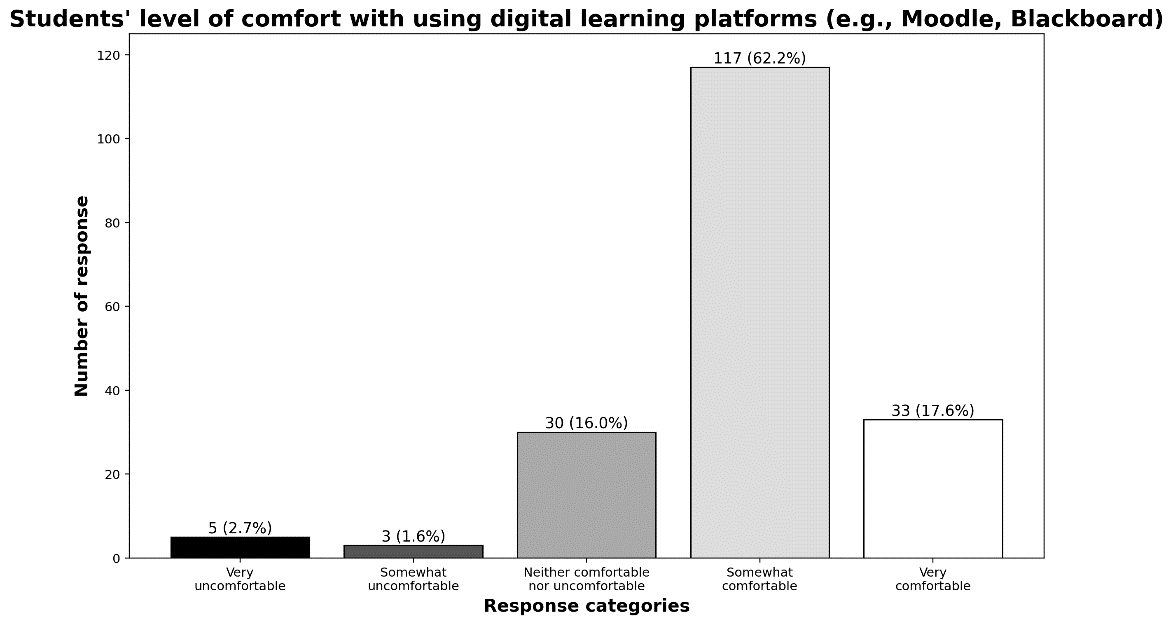
Figure 1. Student comfort level with digital learning platforms before using LAMS
However, in term of the level of confidence, over 80% of respondents reported feeling only "moderately confident" in their ability to effectively engage with the system. This discrepancy highlights a need for targeted support and training to bridge the gap between general digital literacy and platform-specific confidence.
3.2. Usability Ratings and Effectiveness of LAMS in Learning
Following the implementation of LAMS, students across various year levels provided positive feedback regarding the platform’s usability and its effectiveness in supporting their learning. In the post-survey completed by 85 out of 188 students (45.2% response rate), 51.7% rated LAMS as at least somewhat effective, with 14.1% specifically citing it as "very effective" (Figure 2). Additionally, 74.2% of respondents described the LAMS interface as at least "moderately user-friendly," demonstrating the platform's potential for enhancing student engagement due to the ease of system operation or navigation.
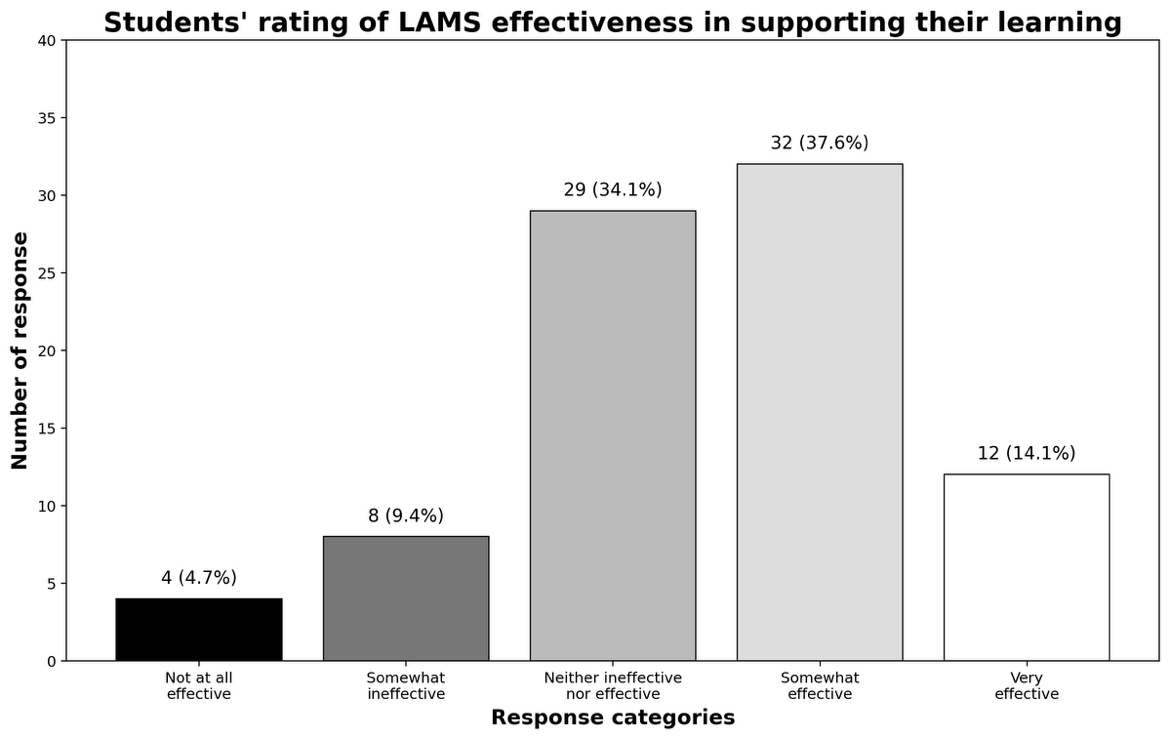
Figure 2. Perceived effectiveness of LAMS after using LAMS
3.3. Desired Feature for Enhanced Learning Experience
When asked about specific desired features within LAMS, student preferences shifted toward assessment support- Automated feedback on assignments emerged as the top priority (48.2%), followed by AI-driven personalised learning suggestions (23.5%) and enhanced analytics (23.5%). While automated feedback provides immediate information on assignment attempts, real-time progress tracking—which collects and visualises performance over time—was also highly valued by students as the most impactful feature for their learning engagement in LAMS. Furthermore, 75.4% of students rated real-time progress tracking as having at least a "moderate impact" on supporting their learning (Figure 3, left).
Beyond general support, this tracking function also aided self-regulated learning, where 74.1% of students agreed that it was at least "moderately supportive" in helping them manage their own learning included goal settings (Figure 3, right). Regarding AI-driven personalised learning suggestions, a substantial 79.5% of students viewed these tools as at least "moderately valuable" for improving outcomes. Notably, nearly half (49.5%) categorized these tools as "very" or "extremely" valuable.
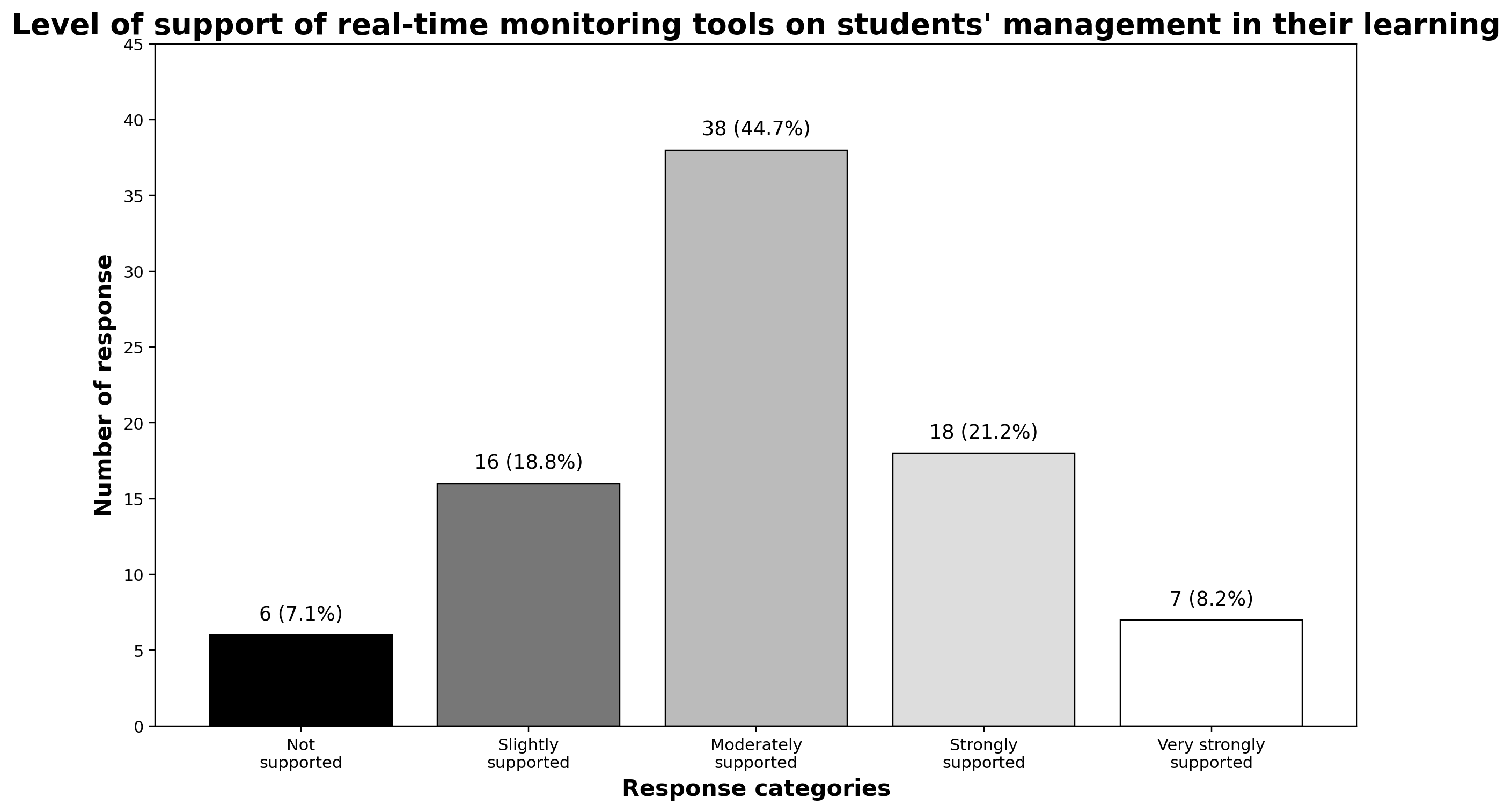
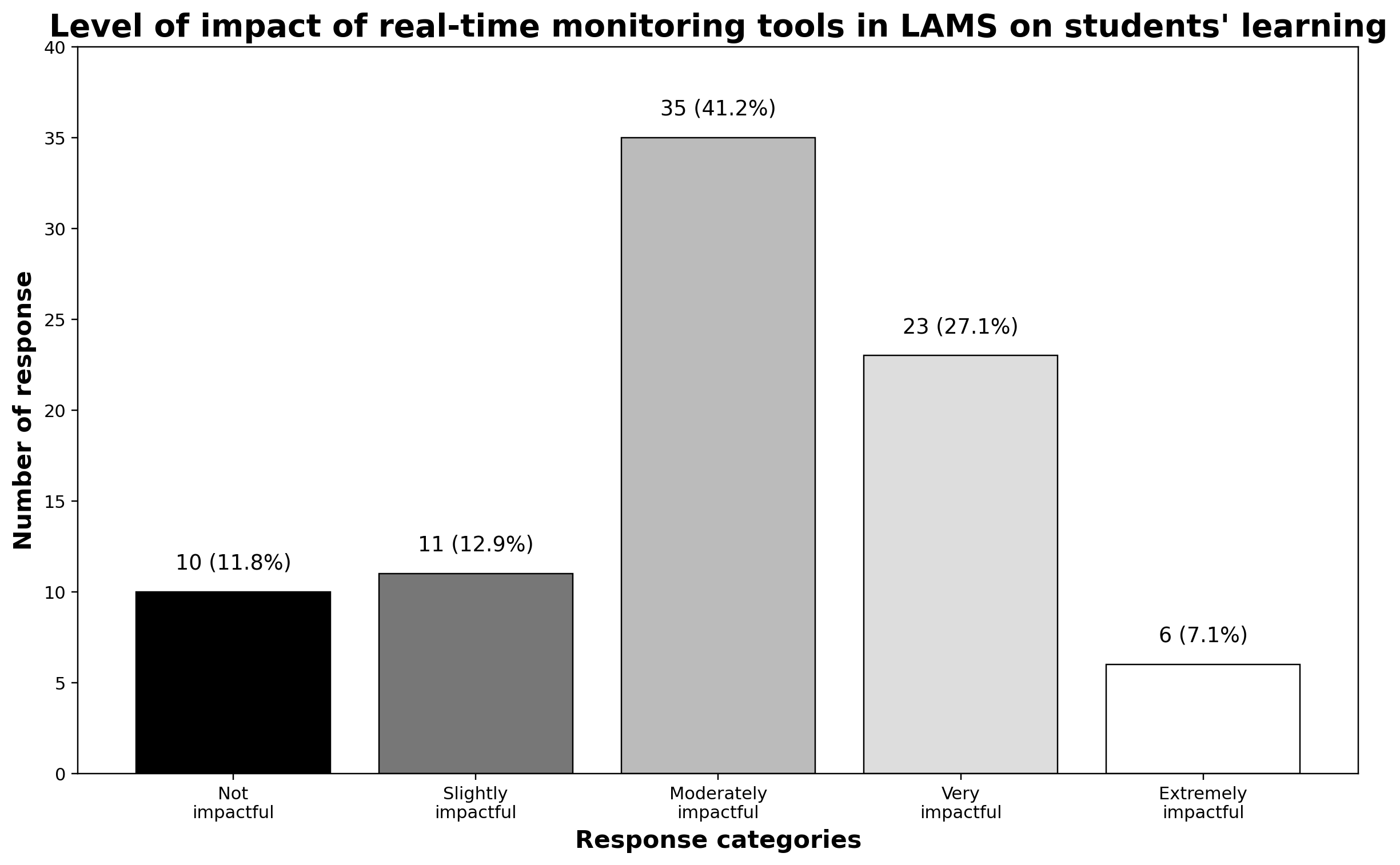
Figure 3. Level of impact on students learning (left) and management of their learning (right)
3.4. Correlation between Prior Experience and LAMS Usability (Testing H1)
To address Hypothesis 1 (H1), which posits that prior digital experience influences LAMS adoption, a Spearman's rank-order correlation was performed. Over 76.5% reported that prior experience positively impacted their transition to LAMS to at least a moderate extent, where 30.6% even felt they had a “strong” or “very strong” influence (Figure 4). Conversely, 23.5% indicated that the transition had little or no effect. This variability suggests that while prior experience is beneficial, targeted support (e.g., introduction and trainings) remains crucial for ensuring all students can use new technologies effectively.
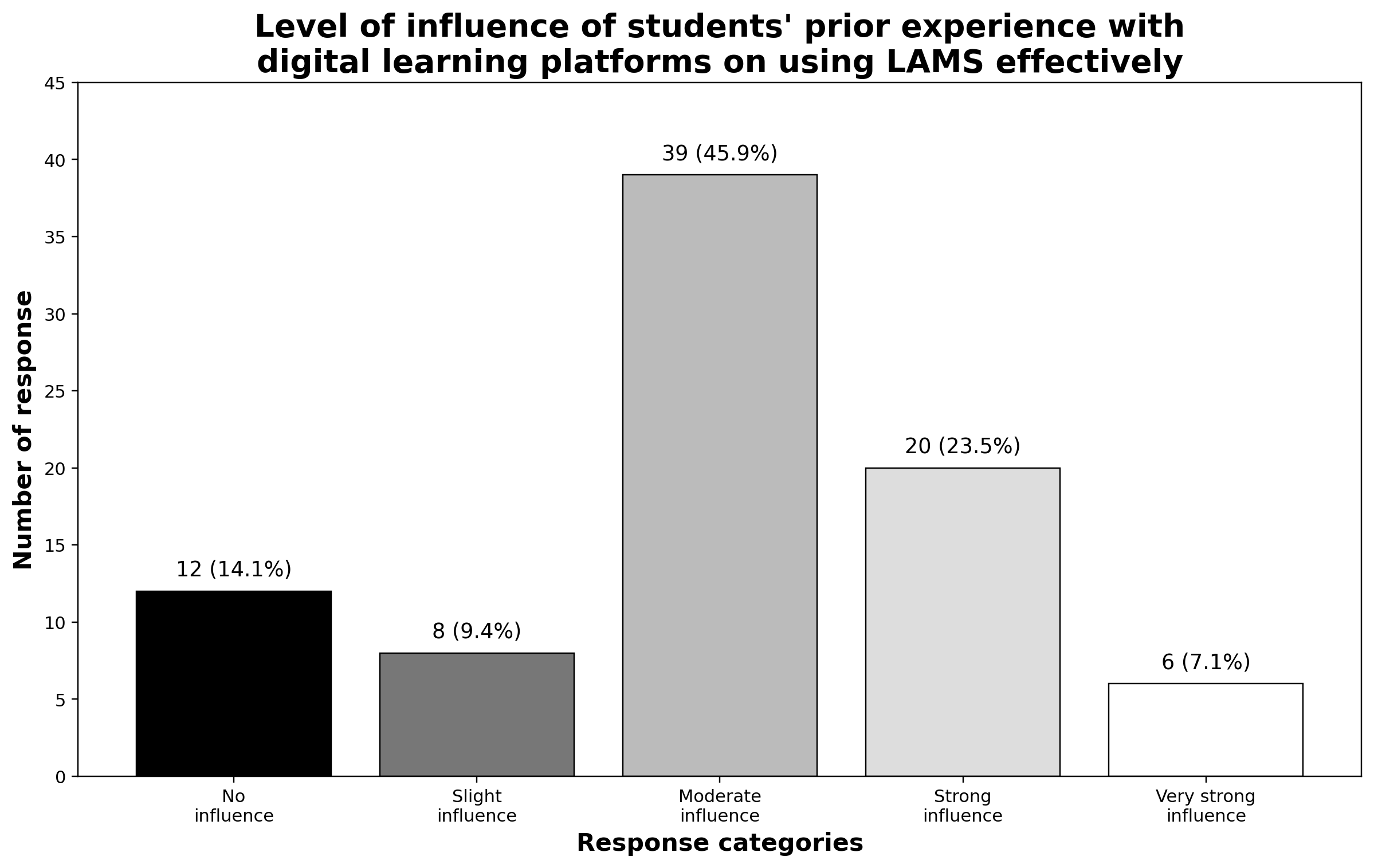
Figure 4. Perceived influence of prior experience with digital learning platform on using LAMS
A Spearman's rank-order correlation revealed a significant moderate and positive relationship between the students’ prior experience with digital learning platforms and their perceived users-friendliness of LAMS (rs(85) = 0.59, p <0.001). Students who perceived their prior digital experience as influential in their adoption to LAMS rated the platform as significantly more user-friendly. Taken together, this statistical result provides empirical support for H1.
3.5. Comparison of Student Performance With and Without LAMS (Testing H2)
To evaluate Hypothesis 2 (H2)—which posits that the integration of LAMS and GenAI tasks leads to significantly higher academic performance—two distinct statistical analyses were conducted. First, a One-way ANOVA was performed on 64 students in the “Cells in Health and Diseases” course to examine how the number of GenAI-supported tasks (0 to 4 tasks) influenced final scores. The analysis revealed a significant difference in performance across groups, F(4, 59) = 6.72, p < .001. Subsequent Tukey’s HSD post-hoc tests demonstrated that students who completed zero tasks performed significantly lower than those who completed two (p = .001), three (p = .003), or four tasks (p < .001). Interestingly, no significant differences were found among groups that completed at least one task (p > .05), suggesting that even moderate engagement with the LAMS-GenAI system provides a baseline performance advantage (Figure 5).
To further validate these findings, a Two-way Mixed ANOVA compared the final scores of 58 students who completed both a LAMS-integrated course and a separate traditional (non-LAMS) course. This analysis revealed significant main effects for both the number of tasks completed (F(4, 53) = 4.54, p = .003) and the course condition (F(1, 53) = 11.48, p = .001). The results showed large effect sizes (η² =.26 and .18, respectively), indicating that the use of LAMS was a powerful predictor of higher scores across different student cohorts (Figure 6). While the interaction between task completion and condition was not significant (p = .100), the performance gains were most pronounced among students completing three or four tasks. Collectively, these empirical results provide strong support for H2, demonstrating that LAMS-GenAI integration significantly enhances learning outcomes in a flipped classroom context.

Figure 5. Impact of task completion in LAMS on student performance
Note: Error bars represent Standard Error. Groups marked with asterisks p values indicate a significant difference compared to the "No Task" group based on Tukey's HSD post-hoc analysis.
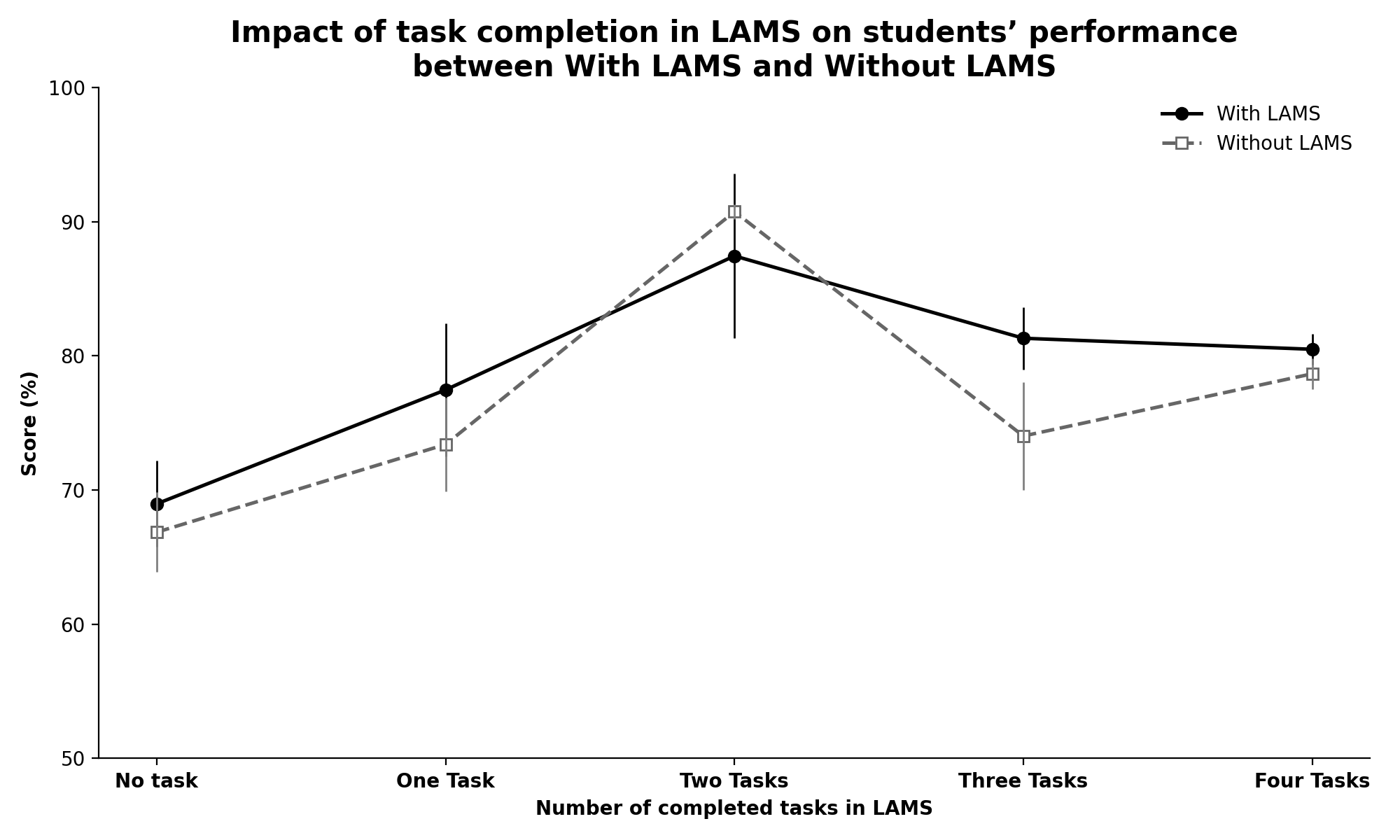
Figure 6. Impact of task completion in LAMS on students’ performance between With LAMS and Without LAMS
4. Discussion
This study highlights important insights into the adaptation of LAMS among students. Regarding RQ1, despite the high baseline comfort with digital platforms, students indicated lower LAMS-specific confidence. This gap emphasizes that general digital literacy does not automatically translate to platform-specific competence, requiring targeted training.
4.1. TAM Framework and Prior Experience
In alignment with H1, the positive correlation between prior experience and perceived user-friendliness validates the TAM (Davis, 1989). According to Venkatesh and Davis (2000), perceived ease of use is heavily influenced by prior experience and self-efficacy. Students with greater prior exposure to similar platforms develop higher self-efficacy, which reduces the perceived complexity of LAMS and enhances their willingness to adopt the system.
4.2. Effectiveness of GenAI Features and Student Engagement
Regarding RQ2, students’ strong preference for automated feedback and AI-driven personalized learning suggestions aligns with Pujiati et al. (2024), who found that timely and formative feedback supports student-centered learning by enabling immediate corrective actions. Furthermore, real-time progress tracking was perceived as highly impactful. These findings are supported by Ahamed and Hanirex (2024), who argue that real-time monitoring of learner activities in adaptive environments enables self-regulated learning behaviors and enhances the motivation for independent study.
4.3. Impact on Academic Performance
Notably, the significant performance improvements in the LAMS-integrated course support H2. This performance gain likely stems from the synergy of automated feedback mechanisms and real-time tracking, which foster a structured environment for self-regulation. As noted by Prakash et al. (2024), real-time analytics and personalized learning pathways are critical for matching educational content to individual needs, ultimately leading to superior learning outcomes compared to traditional non-adaptive methods.
5. Limitations
While this study provides robust evidence for the effectiveness of LAMS-GenAI, several limitations should be noted. First, the research was restricted to specific disciplines—medical laboratory science and applied social science—at a single university, which may limit the generalizability of the findings to other academic fields or institutional contexts. Second, while the participants primarily represent the Generation Z cohort, the study acknowledges that digital attitudes are not uniform; factors such as socioeconomic background and individual learning preferences were not controlled for in this analysis. Third, the reliance on self-reported Likert-scale data for perceived usability and confidence introduces the possibility of response bias. Future research should involve multi-institutional longitudinal studies to examine whether the performance gains observed over this 12-week period are sustained across an entire degree program and across diverse demographic subgroups.
6. Conclusion
This study concludes that integrating GenAI within a LAMS framework significantly enhances the flipped learning experience by improving student performance and fostering self-regulated learning. We found that while general digital literacy is a prerequisite, it is not a guarantee of tool-specific confidence; therefore, targeted onboarding is essential. By satisfying the core tenets of TAM—usefulness and ease of use—GenAI features like automated feedback bridge the gap between passive content consumption and active engagement. Future research should expand these findings to broader disciplinary contexts beyond the medical and social sciences.
Acknowledgements
We express our gratitude to our colleagues for sharing their experience teaching with LAMS. This study was supported by the Hong Kong Polytechnic University Teaching Grants and the Fund for Innovative Technology-in-Education (FITE/01). Ethical approval was granted by the Institutional Review Board of The Hong Kong Polytechnic University (Ref: HSEARS20230812001). GenAI tools were used to assist with content organization and language refinement. However, the authors thoroughly reviewed and edited the content, assuming full responsibility for its publication. The authors declare no conflicts of interest and confirm that this study was conducted independently, without financial support from LAMS International or related organisations.
References
Ahamed, H. R., & Hanirex, D. K. (2024). A deep learning-enabled approach for real-time monitoring of learner activities in adaptive e-learning environments. Proceedings of the IEEE International Conference on Power, Control and Telecommunications.
Antonis, K., Lampsas, P., Katsenos, I., Tsolis, D., & Kameas, A. (2022). Flipped classroom with teams-based learning in emergency higher education: Methodology and results. Education and Information Technologies, 28(5), 5951–5975.
Davis, F. D. (1989). Perceived usefulness, perceived ease of use, and user acceptance of information technology. MIS Quarterly, 13(3), 319–340.
Diamantopoulos, N. (2018). Flipped classroom STEM teaching: An innovative practice of technologically supported teaching of physics. Annals of the University of Oradea, Economic Science Series, 16(3), 12–18.
Papadakis, S., Xanthopoulou, M., & Baxevani, A. (2021). Α technologically supported differentiated flipped classroom (Fliperentiation) in vocational education. Journal of Modern Education Review, 11(2), 12–21.
Prakash, S., Kumar, N. S. K. M. T., Thaiyalnayaki, S., & Ganesan, V. (2024). Towards smarter e-learning: Real-time analytics and machine learning for personalized education. International Journal of Computational and Experimental Science and Engineering, 10(4), 786–797.
Pujiati, T., Za, D. R., Ningsih, S., Romadlani, M. M. I., & Putra, S. N. W. (2024, August). Evaluating the impact of interactive learning platforms on student engagement and performance: A case study of Quizizz in higher education. In 2024 3rd International Conference on Creative Communication and Innovative Technology (ICCIT) (pp. 1-6). IEEE.
Tran, C. A., Tran, V. H., Ha, N., Vu, T. T., & Nguyen, H. T. (2025). Enhancing student engagement and learning outcomes in higher education through AI-supported flipped classrooms: A mixed-methods study. Edelweiss Applied Science and Technology, 9(8), 9489.
Venkatesh, V., & Davis, F. D. (2000). A theoretical extension of the technology acceptance model. Management Science, 46(2), 186–204.
Wong, C.-M., Zhou, L., Patel, M., Xu, M., & Tang, Y.-M. (2024). Harnessing the power of cutting-edge technologies in flipped learning: A paradigm shifts in university education after post-COVID-19 era. In 10th International Conference on Higher Education Advances (HEAd’24) (pp. 1–10). Valencia. https://doi.org/10.4995/HEAd24.2024.17