Educating for Sustainability: The Role of Higher Education in Shaping Sustainable Consumption in Morocco
Sustainable education and sustainable consumption among university students
Sustainable
Education
(SE)
Attitude
towards Sustainable consumption
(ATT)
Intention
for Sustainable consumption
(SCB)
Environment
knowledge
(KND)
Imane
El Brahmi1, Youssef Chetioui1,2
 ,
Hind Lebdaoui1
1School of Business Administration, Al Akhwayn University in Ifrane, Morocco, 2University of Salento, Lecce, Italy.
How to cite: El Brahmi, I.; Chetioui, Y.; Lebdaoui, H. (2026). Educating for sustainability: The role of higher education in shaping sustainable consumption in Morocco. In: 12th International Conference on Higher Education Advances (HEAd'26). Valencia, 15-18 June 2026. https://doi.org/10.4995/HEAd2026.2026.21724
Abstract
This study examines the impact of sustainable education on sustainable consumption among university students. Using data collected from Moroccan university students, the proposed conceptual model was tested using Partial Least Squares Structural Equation Modeling. The results indicate that sustainable education has a significant positive effect on environmental knowledge, which plays a key role in shaping attitudes toward sustainable consumption. In turn, both environmental knowledge and attitudes significantly influence students’ intentions to engage in sustainable consumption behaviors. By focusing on the Moroccan higher education context, our findings enhance the understanding of the mechanisms through which education contributes to sustainable consumption and underscore the importance of embedding sustainability within university curricula to foster responsible citizenship and sustainable consumption practices.
Keywords: Sustainable education; Sustainable consumption, SEM, university students.
1. Introduction
Human behavior is greatly influenced by education, particularly when it concerns encouraging sustainable consumption. Understanding how education can impact and change people's behavior toward sustainability is essential as societies deal with more and more environmental issues. This paper aims to comprehend how education affects Moroccan consumers' attitudes and behavior, especially with regard to responsible lifestyle choices and sustainable consumption practices. Addressing consumer’s everyday behavior is one the toughest issues, although all components of the modern society have agreed that the key to a brighter future is through change in individual behavior toward more sustainable consumption; while still debating the most efficient ways to achieve the day-to-day individual positive change (Fischer et al., 2021).
Sustainable living is fundamentally accomplished through sustainable consumption by utilizing goods and services to satisfy basic human needs while conserving natural resources, limiting poisonous substances, and reducing emissions, in the course of the goods and services life cycle without endangering the aptitude to meet the same needs for future populations (Al-Nuaimi & Al-Ghamdi, 2022). Understanding consumption behavior is important for researchers, businesses, and policymakers, as it helps to develop strategies and address challenges by forecasting and influencing consumer choices. It meaningfully contributes to forming sustainable consumption patterns and addressing environmental and social challenges related to unsustainable consumption by creating regulations and programs that promote responsible consumption and protect consumer rights (Quoquab & Mohammad, 2020).
Many debates that the decisive purpose of education is to influence individuals’ behaviors and steer it toward social and environmental change (Alam, 2022). Education facilitates an individual’s intellectual capability and open doors into new horizons, it’s a process for intellectual and awareness growth (Chankseliani et al., 2020). Despite this, there is still a gap of targeted research on how, in Morocco, education is shaping sustainable consumption behaviors, particularly regarding the social and environmental changes needed for a more sustainable future. With a quantitative approach, this study uses Partial Least Squares Structural Equation Modeling (PLS-SEM) to assess metrics and comprehend the relationships among education, attitudes, and sustainable consumption behaviors. The findings indicate that education could significantly impact Moroccans’ consumption and how it could alter it to be responsible and sustainable. This paper adds further understanding to the present knowledge by providing insights into how education can shape sustainable consumption behaviors within the Moroccan context. Our study proposes an in-depth conceptual model to explore the primary factors; especially education; impacting attitude towards sustainable consumption and healthy lifestyle choices.
This research portrays the theoretical framework in section 2. Section 3 describes hypotheses development and proposed framework. Then, Section 4 explains the methodology (measurement and data). Section 5 elaborates on the main results, using structural equation modeling. Then open up discussion and present the main implications, followed by section 6 that outlines the limitations and offers guidance for upcoming studies. Finally, Section 7 concludes the research.
2. Literature review
2.1. The Theory of Planned Behavior (TPB)
The Theory was first introduced by Icek Ajzen in 1985, TPB establishes a framework for comprehending and foreseeing behavior across various domains including consumer behavior (Ajzen, 2020) by exploring how individual aspirations and responses are shaped by subjective norms, attitudes and perceived behavioral control (Yadav & Pathak, 2017). Lim & An (2020) identifies the TPB as the most applied theory in research to forecast human behavior via individual’s beliefs. Even though some studies have shown that in certain contexts the relationship between TPB variables and consumer behavior is limited (Kim et al., 2013). It is still considered a solid foundation for grasping people’s intentions and behavior (Yadav & Pathak, 2017).
2.2. Hypotheses development
Sustainable education relies on embedding sustainability in the school curriculum (Ahmad et al., 2023). Understanding the relevance of education in sustainable consumption behavior is vital to any transformation in how society approaches environmental problems (Trudel, 2021). Findings indicate that children who engage in learning about the environment will become less exploitative towards the environment (Liefländer & Bogner, 2016). In addition, it is necessary for environmental education to shift focus from just knowledge provision to learning how to actively contribute in minimizing environmental impact (Sun et al., 2018). In light of this, the later hypothesis were suggested to examine the influence of sustainable education on attitude toward sustainable development. Therefore, we hypothesize that:
H1: Sustainable education positively affects environmental knowledge. Haut du formulaire
Sustainable education enables people with conscious and awareness about environmental issues, as well as their belief in the importance of addressing these concerns (Han et al., 2019). Environmental concern arises from both broad environmental beliefs and explicit attitudes, influenced by perceived behavioral control, particularly knowledge (Zeng et al., 2023). In spite of consumers' concerns for environment, a values/ action gap frequently exists, wherein people battle to translate their values into real behaviors (Kadic-Maglajlic et al., 2019). Peoples’ environmental concerns impact deeply the choice of an environmentally responsible service or product. The level of sustainable education directly influences attitude towards sustainable behavior and intention to engage in it (Yogananda and Nair, 2019; Han et al., 2019). Hence:
H2: Sustainable education positively affects Attitude toward sustainable consumption
Environmental knowledge refers to individuals' capacity to identify environmental issues, consumption impact, and solution strategies (Zeng et al., 2023). Studies reveals that environmental concern is impacted by both risk perception and environmental knowledge (Saari et al., 2021). Individuals are adopting high standards to protect their environment once they acquire a high level of environmental knowledge benefiting the present and future generations (Al-Naqbi & Alshannag, 2018). Gkargkavouzi et al. (2019) state that sustainable consumption intention and attitude are indirectly influenced by environmental knowledge, however, it is still a vital factor in designing human environmental behavior forecasting models. In conclusion, stimulating sustainable attitude is achieved through the enhancement of environmental knowledge (Saari et al., 2021).
H3 – Environmental knowledge positively affects Attitude toward sustainable consumption.
A strong understanding and knowledge of environmental issues is associated with a positive attitude and an improved behavior tendency for sustainability (Saari et al., 2021). The conventional assumption that knowledge and behavior are positively related was supported by most empirical results (Dimitrova et al., 2022). Promoting sustainable development thinking is vital (Žalėnienė & Pereira, 2021). While empirical evidence directly linking sustainable consumption to behavior remains limited, research Jan et al. (2019) indicates a favorable link between eco-friendly communication and purchase intentions, as well as a constructive stance towards promoting green products. These findings suggest that promoting knowledge and awareness of sustainability can positively impact intentions and behaviors. Thus:
H4– Environmental knowledge positively affects Intention for sustainable consumption.
Several studies consistently indicate that having a positive attitude and beliefs towards sustainable practices strongly influences people's intentions and actions related to sustainable consumption (Žalėnienė & Pereira, 2021). The sustainable consumption attitude refers to consumers’ overall and steady feeling and position toward SCB (Qin & Song, 2022). Numerous empirical studies results prove that a positive attitude enhances the probability of sustainable purchases (Yadav & Pathak, 2017) along with domestic recycling practices, eco-friendly transportation and other actions related to SCB (Qin & Song, 2022). Additionally, attitude towards sustainable products was proven to be a significant incentive for partaking sustainable consumption behaviors (Testa et al., 2020). Sustainable consumption behaviors are mainly driven by a strong commitment to environmental and social responsibility (Matharu et al., 2020). Building on the preceding analysis; it is hypothesized that: H5– Attitude toward sustainable consumption positively affects Intention for sustainable consumption.
Figure 1 presents the suggested path model illustrating the latent variables and their hypotheses.
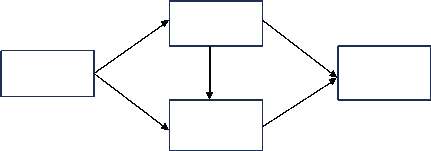
Figure 1 Conceptual Model. Source: Authors compilations
3. Methods
All constructs were drawn from the literature with minor alterations. A five-point scale was used to measure each construct, varying from "strongly disagree" (1) to "strongly agree" (5). The language of the constructs was adjusted to suit the Moroccan-culture context. Additionally, six demographic questions were incorporated at the beginning of the survey regarding gender, age, education, university type, professional status and income. Both French and English questionnaire versions were provided. The study data collection was executed in Morocco from July to September 2024, 250 students responded to the survey using convenience sampling), which is considered a sufficient sample size for research of this nature (Memon et al., 2020). To ensure that responses are reliable, accurate and suitable to test the study hypothesis, they were thoroughly examined and reviewed.
The survey was administered to participants from various regions of Morocco, a country that has seen growing attention to sustainable consumption in recent years (Haddadi et al., 2020). The final sample included a well-distributed demographic, with 47.6% male (119) and 52.4% female (131) respondents. Over 70% of participants were under 35 years old. In terms of professional status, the majority of participants are students (42.4%), followed by private sector employees (30%) and public sector employees (15.2%). Income-wise, more than 55% respondents earn more than 5000 MAD, with 24.4% earning more than 15,000 MAD. PLS was the most fitting method for this analysis because of: (a) the early phase of theoretical progress in this field in Morocco, and (b) the limited but emerging research on this conceptual model, with certain constructs yet to be proven (Loudiyi et al., 2024).
4. Results & discussion
The next two subsections provide an analysis of the measurement model, evaluating the consistency of indicator and construct, besides the accuracy of convergent and discriminant. Then, we assess the proposed structural model. To draw key conclusions about the connections between education and sustainable lifestyle choices, the analysis was performed by Smart PLS 4.0 software allowing for effective application of the method (Sarstedt & Cheah, 2019).
4.1. Measurement model
The prerequisite of indicator reliability is that the loadings must necessarily surpass 0.7 (Hair et al., 2017). Results showcase that the loading of each item is above 0.7, confirming the indicator reliability. To assess the construct's reliability, two measures were applied: composite reliability (CR) and Cronbach’s alpha (CA). All constructs show CR and CA values greater than 0.7, affirming their reliability (Hair & Sarstedt, 2019). The analysis indicates that the average variance extracted (AVE) for all the constructs surpasses 0.5, ensuring convergent validity. Finally, for discriminant validity, the Hetrotrait-Monotrait ratio (HTMT) criterion was used, and none of the values exceeded the 0.9 threshold (Henseler et al., 2015). The measures fully satisfy the conditions for discriminant validity. The assessment of indicator and construct reliability in addition to convergent validity, yielded favorable outcomes, signifying that the constructs are appropriate for testing the conceptual model (Chetioui et al.,2025).
4.2. Structural model
Once the measurement model was validated, the structural model was tested. All R-squares are above 0.2, meaning that the model moderately explain the attitude and intent of engaging in sustainable consumption. Chin (1998) suggests that the primarily assessment of the structural model is by the coefficient of determination (R2) of the endogenous latent variables, with values greater than 0.2 indicating moderate specification. The first hypothesis is supported H1 (β = 0.521; p < 0.01) is statistically significant show that higher sustainable education leads to higher environmental knowledge. H2 (β = 0.421; p < 0.01) is also positive and statistically significant. H3 (β = 0.463; p < 0.000) of environmental knowledge are supported. Environmental knowledge was also found to influence attitude towards sustainable consumption (β = 0.463; p < 0.000), and intention towards sustainable consumption, confirming H3 and H4. Finally, attitude towards sustainable consumption was found to significantly impact intention to engage in sustainable consumption, confirming H5 (results are presented in Table1).
Table 1. Path coefficients of the research hypotheses Source: Authors calculations using SmartPLS
|
Relationships |
Beta |
T-statistics |
P-values |
Decision |
H1 |
Sustainable education -> Environmental knowledge |
0.521 |
10.934 |
0.000 |
Supported |
H2 |
Sustainable education -> Attitude towards sustainable consumption |
0.421 |
8.886 |
0.000 |
Supported |
H3 |
Environmental knowledge -> Attitude towards sustainable consumption |
0.463 |
8.192 |
0.000 |
Supported |
H4 |
Environmental knowledge -> Intention for sustainable consumption |
0.180 |
2.508 |
0.012 |
Supported |
H5 |
Attitude towards sustainable consumption -> Intention for sustainable consumption |
0.194 |
2.748 |
0.006 |
Supported |
Note(s): **, *** indicate significance at the 1%, 0.1% levels
5.Discussion and implications
The current research constitutes a contribution to the academic debate on sustainable education and consumption, as it empirically supports the centrality of sustainable education in influencing the development of pro-environmental behavior among university students. This research supports the conceptual frames of education considered as the key force behind sustainability-related cognition. The results also explain the role of environmental knowledge in converting educational exposure into attitudes and intentions towards sustainable consumption. This paper also corroborates the Theory of Planned Behavior in shaping the cognitive processes, which education can alter to make people have sustainable consumption intentions. The paper also shows the essential role of education and knowledge in building intentions to engage in sustainable consumption. Lastly, the focus on Moroccan university students contributes to the generalizability of the existing sustainability behavior models to a non-western context, thus making them more cross-culturally applicable. In spite of the positive relationships established, value-action gap still exists in the modern society where the pro-environmental attitudes of people do not necessarily reflect in their actual behavior. This disparity can be attributed to situational factors of cost, convenience and unavailability of institutional support which can impede the application of sustainable consumption patterns in the face of a high level of environmental consciousness.
The results further underscore the need to ensure that sustainability is taught in a systematic manner throughout the university curriculums and not just a few courses. Enhanced sustainable education can significantly increase the level of environmental awareness of students, which, in its turn, will lead to positive perceptions and intentions to sustainable consumption.
Learning to gain deeper understanding of the environment and translating into actionable behavioral intentions, therefore universities are prompted to embrace experiential and applied pedagogical approaches, like project-based learning and real-world case studies focusing on sustainability. Moreover, since attitudes are a focal point of guiding intentions, educational programs must focus on both knowledge acquisition and value development and ethical consideration about sustainability. At the institutional level, universities can strengthen the efforts of education in line with the sustainability efforts of the campus, awareness campaigns, and student-led projects, thus creating an enabling environment of sustainable consumption. However, since the model explains a moderate percentage of variance, there are complementary interventions that are needed to successfully translate intentions into actual sustainable behaviors. In that respect, the parallelism of campus-wide sustainability efforts to formal education programs can be very instrumental in supporting sustainable actions of students.
References
Ajzen, I. (2002). Perceived Behavioral Control, Self‐Efficacy, Locus of Control, and the Theory of Planned Behavior1. Journal of Applied Social Psychology, 32(4), 665–683. https://doi.org/10.1111/j.1559-1816.2002.tb00236.x
Ajzen, I. (2020). The theory of planned behavior: Frequently asked questions. Human Behavior and Emerging Technologies, 2(4), 314–324. https://doi.org/10.1002/hbe2.195
Al-Nuaimi, S. R., & Al-Ghamdi, S. G. (2022, June 14). Sustainable Consumption and Education for Sustainability in Higher Education. Sustainability, 14(12), 7321.
Alam, A. (2022). Mapping a Sustainable Future Through Conceptualization of Transformative Learning Framework, Education for Sustainable Development, Critical Reflection, and Responsible Citizenship: An Exploration of Pedagogies for Twenty-First Century Learning. ECS Transactions, 107(1), 9827–9840.
Chetioui, Y., Lebdaoui, H., Harkat, T., Chetioui, H., Jerbouri, C., & Makhtari, M. (2025). On the link between financial literacy and financial well-being in times of economic stagnation: An integrated framework. International Journal of Social Economics. Ahead-of-print. https://doi.org/10.1108/IJSE-02-2023-0153
Chin, W. (1998). The partial least squares approach to structural equation modeling. Modern Methods for Business Research, 295(2), 295–336. Lawrence Erlbaum Associates.
Dimitrova, T., Ilieva, I., & Angelova, M. (2022, November 4). Exploring Factors Affecting Sustainable Consumption Behaviour. Administrative Sciences, 12(4), 155. https://doi.org/10.3390/admsci12040155
Haddadi, T. E., Mourabit, T., & Haddadi, A. E. (2020). Sustainable public procurement in morocco: An investigative survey regarding tender preparation. Sustainable Production and Consumption, 26, 33–43. https://doi.org/10.1016/j.spc.2020.09.002
Hair, J. F., & Sarstedt, M. (2019). Factors versus Composites: Guidelines for Choosing the Right Structural Equation Modeling Method. Project Management Journal, 50(6), 619–624.
Han, H., Yu, J., & Kim, W. (2019). Environmental corporate social responsibility and the strategy to boost the airline’s image and customer loyalty intentions. Journal of Travel & Tourism Marketing, 36(3), 371–383.
Henseler, J., Ringle, C. M., & Sarstedt, M. (2015). A new criterion for assessing discriminant validity in variance-based structural equation modeling. Journal of the Academy of Marketing Science, 43(1), 115–135.
Hoque, M. Z., & Hossan, M. A. (2020). Understanding the Influence of Belief and Belief Revision on Consumers’ Purchase Intention of Liquid Milk. SAGE Open, 10(2), 215824402092297. https://doi.org/10.3390/admsci12040155
Jan, I. U., Ji, S., & Yeo, C. (2019). Values and Green Product Purchase Behavior: The Moderating Effects of the Role of Government and Media Exposure. Sustainability, 11(23), 6642.
Kadic-Maglajlic, S., Arslanagic-Kalajdzic, M., Micevski, M., Dlacic, J., & Zabkar, V. (2019). Being engaged is a good thing: Understanding sustainable consumption behavior among young adults. Journal of Business Research, 104, 644–654.
Kim, Y. J., Njite, D., & Hancer, M. (2013). Anticipated emotion in consumers’ intentions to select eco-friendly restaurants: Augmenting the theory of planned behavior. International Journal of Hospitality Management, 34, 255–262.
Liefländer, A. K., & Bogner, F. X. (2016). Educational impact on the relationship of environmental knowledge and attitudes. Environmental Education Research, 24(4), 611–624.
Lim, H., & An, S. (2020). Intention to purchase wellbeing food among Korean consumers: An application of the Theory of Planned Behavior. Food Quality and Preference, 88, 104101.
Quoquab, F., & Mohammad, J. (2020). A Review of Sustainable Consumption (2000 to 2020): What We Know and What We Need to Know. Journal of Global Marketing, 33(5), 305–334
Rozenkowska, K. (2023). Theory of planned behavior in consumer behavior research: A systematic literature review. International Journal of Consumer Studies, 47(6), 2670–2700.
Sarstedt, M., Hair, J. F., Cheah, J. H., Becker, J. M., & Ringle, C. M. (2019), "How to specify, estimate, and validate higher-order constructs in PLS-SEM", Australasian Marketing Journal, Vol. 27 No. 3, pp. 197-211.
Sun, H., Teh, P., & Linton, J. D. (2018). Impact of environmental knowledge and product quality on student attitude toward products with recycled/remanufactured content: Implications for environmental education and green manufacturing. Business Strategy and the Environment, 27(7), 935–945.
Testa, F., Pretner, G., Iovino, R., Bianchi, G., Tessitore, S., & Iraldo, F. (2020). Drivers to green consumption: a systematic review. Environment Development and Sustainability, 23(4), 4826–4880.
Žalėnienė, I., & Pereira, P. (2021). Higher Education For Sustainability: A Global Perspective. Geography and Sustainability, 2(2), 99–106. https://doi.org/10.1016/j.geosus.2021.05.001
Zeng, Z., Zhong, W., & Naz, S. (2023). Can Environmental Knowledge and Risk Perception Make a Difference? The Role of Environmental Concern and Pro-Environmental Behavior in Fostering Sustainable Consumption Behavior. Sustainability, 15(6), 4791